
By Shaira Ardia
Clear vision is essential not only for health but also for quality of life and productivity. In the Philippines, the eyeglasses market faces challenges such as limited manufacturing capacity, uneven distribution between urban and rural areas, and high prices that make basic vision correction unaffordable for many.
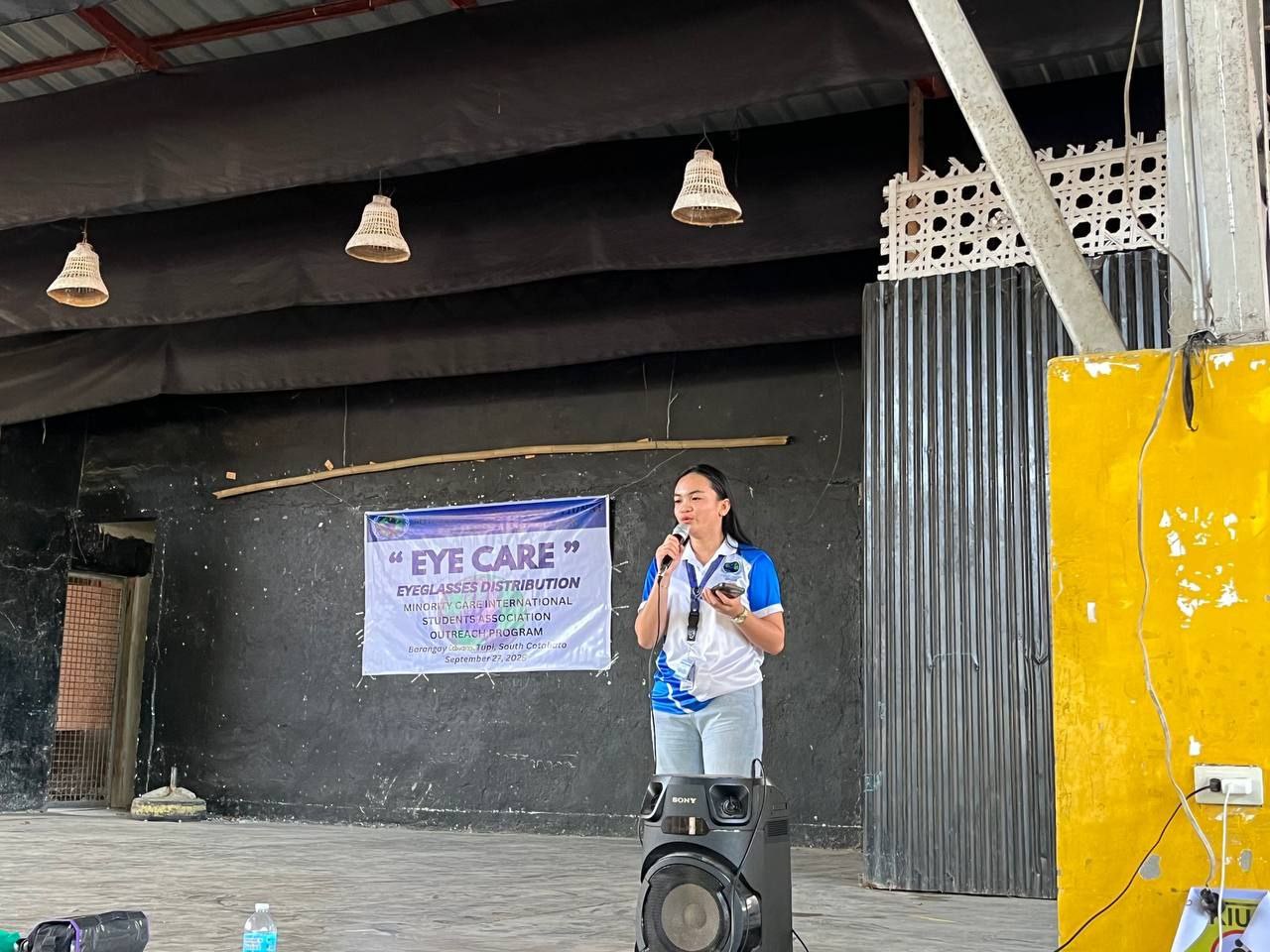
In a crucial role, civil society organizations can leverage innovative models to deliver affordable and accessible eye care, often filling the gaps left by public sector efforts. To fill a gap in various communities, Minority Care International (MCI) has dispensed thousands of reading eye glasses in fourteen distributions, including to the Persons Deprived of Liberty (PDL) in the Davao Penal and Prison Farm (DaPeCol). Recognizing the profound impact MCI’s Restoring Vision annual eye care projects have had on individuals’ lives, we performed more than 290 eye check-ups and dispensed more than 200 reading glasses to the Cebuano Barangay in South Cotabato. Dr. Audrey Kim Delin and her husband Dr. Lendl Sam Delin joined us as hospital volunteers to conduct eye exams, having labeled all lens strengths before the distribution. Also, to further serve community needs, Nurse Andrea and 4th year Medtech student Yakup Celik conducted free blood pressure screening for the eye care donees. According to one recipient, he appreciated MCI’s community outreach project because eye checks and glasses are very expensive with the consequence that most do not have glasses and, thus, have untreated problems.
Through this service MCI scholars continue to learn to give back to their community. Social work former MCI scholar Theresa Adil and Mary Rose also came to extended their for distribution of eye glasses. MCI scholarship beneficiary currently studying tourism at the University of Mindanao in her second year, Shaira Arida is from Cebua no Barangay South Cotabato. Even as a student, she organized the MCI eye care event with her Barangay SK officials to extend the MCI eye care project to her community. Shaira gave an opening message before the distribution.
“Good morning, everyone! I’m Shaira Arida, Public Relations Officer of the Minority Care International Student Association (MCISA). It’s an honor to be here for this meaningful event.
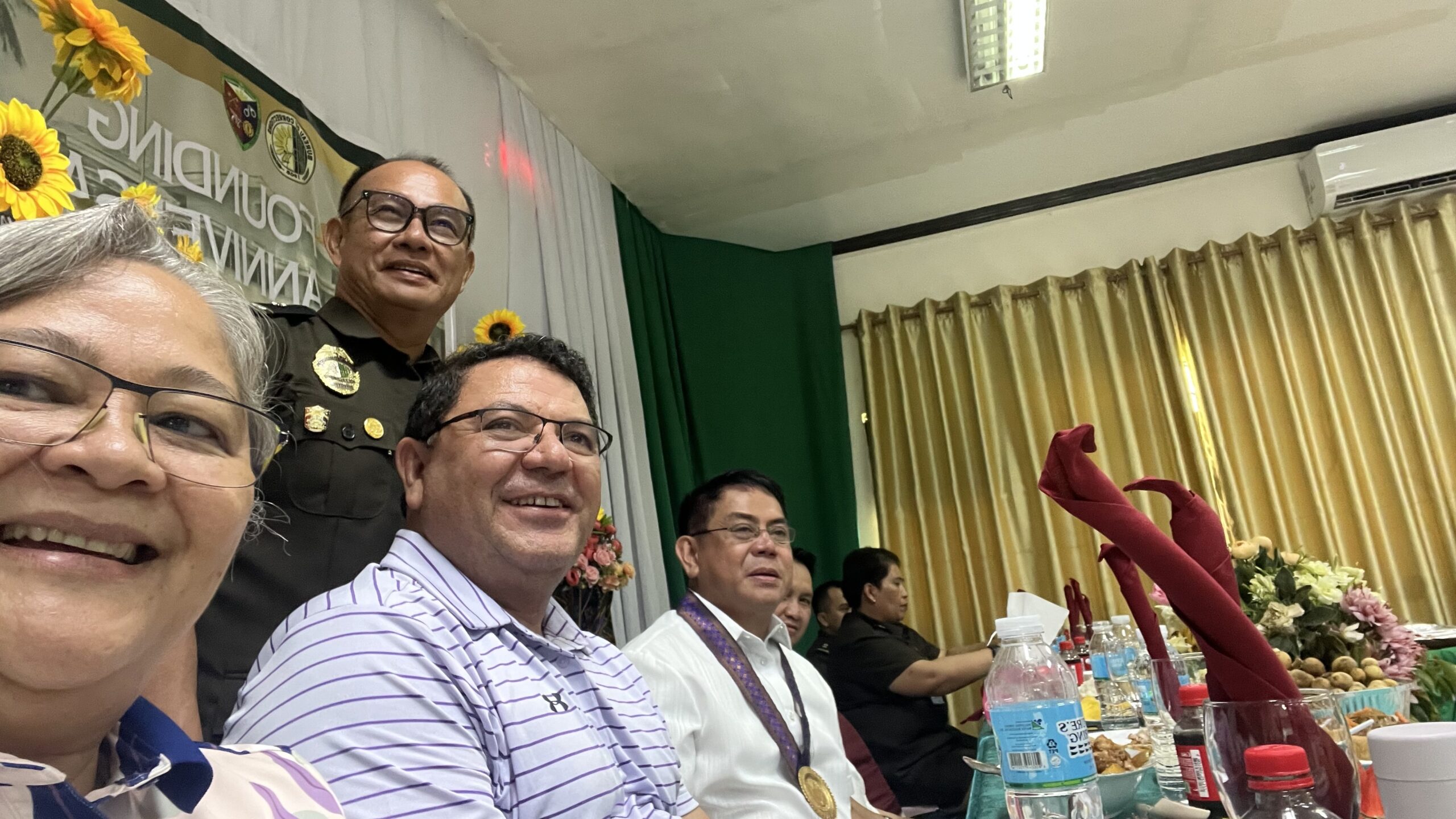
Before we begin, I’d like to acknowledge the visionary behind our program, our founder Dr. Aland Mizell. We’re also joined by Atty. Susan Cariaga, Vice President of SETBI. Special thanks to Dr. Audrey Kim Delin and Dr. Lendi Sam Delin for their help with today’s eyeglass distribution. I’d also like to thank Barangay officials, led by Noel Dela Cruz, and SK officials, headed by Honey Grace Enario, for supporting our 14th eyeglass distribution, including here in Barangay Cebuano.
Today’s event is about more than just eyeglasses—it’s about giving people the vision to pursue opportunities and live fuller lives. MCI’s Restoring Vision project embodies our mission: not just to support students, but to give back to the community. Though I am still a student, MCI has given me the chance to serve and grow.
MCI means a lot to me. It has not only supported my education but also guided and shaped me. Without MCI, I wouldn’t be standing here today. It has taught me to dream big despite challenges and to believe in my potential.”
We acknowledge the Cebuano Barangay SKs for their hospitality and for allowing us to distribute the eyewear, as well as my father, Mr. Arida, for providing lunch.Shaira Ardia is an MCI Scholar and a second-year Bachelor of Science in Tourism Management student at the University of Mindanao (UM).


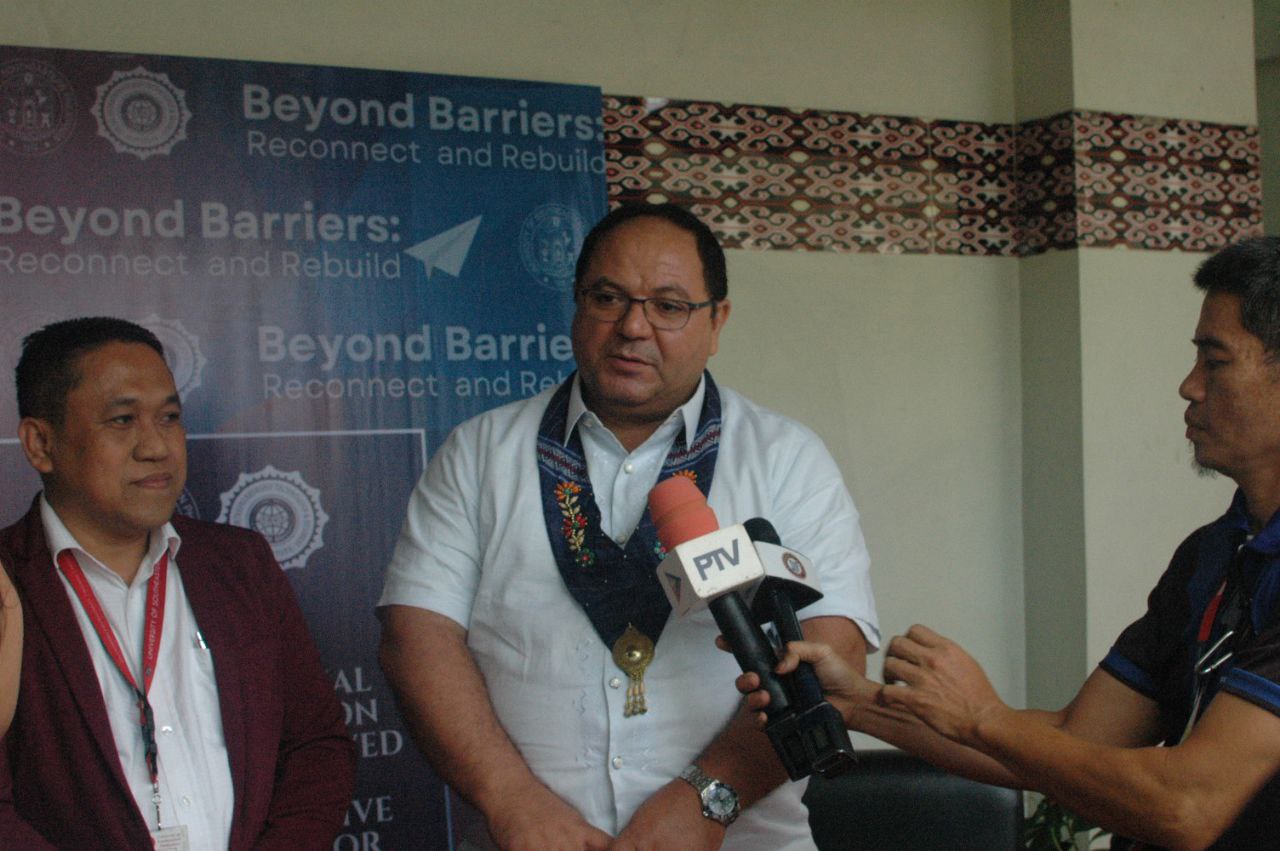
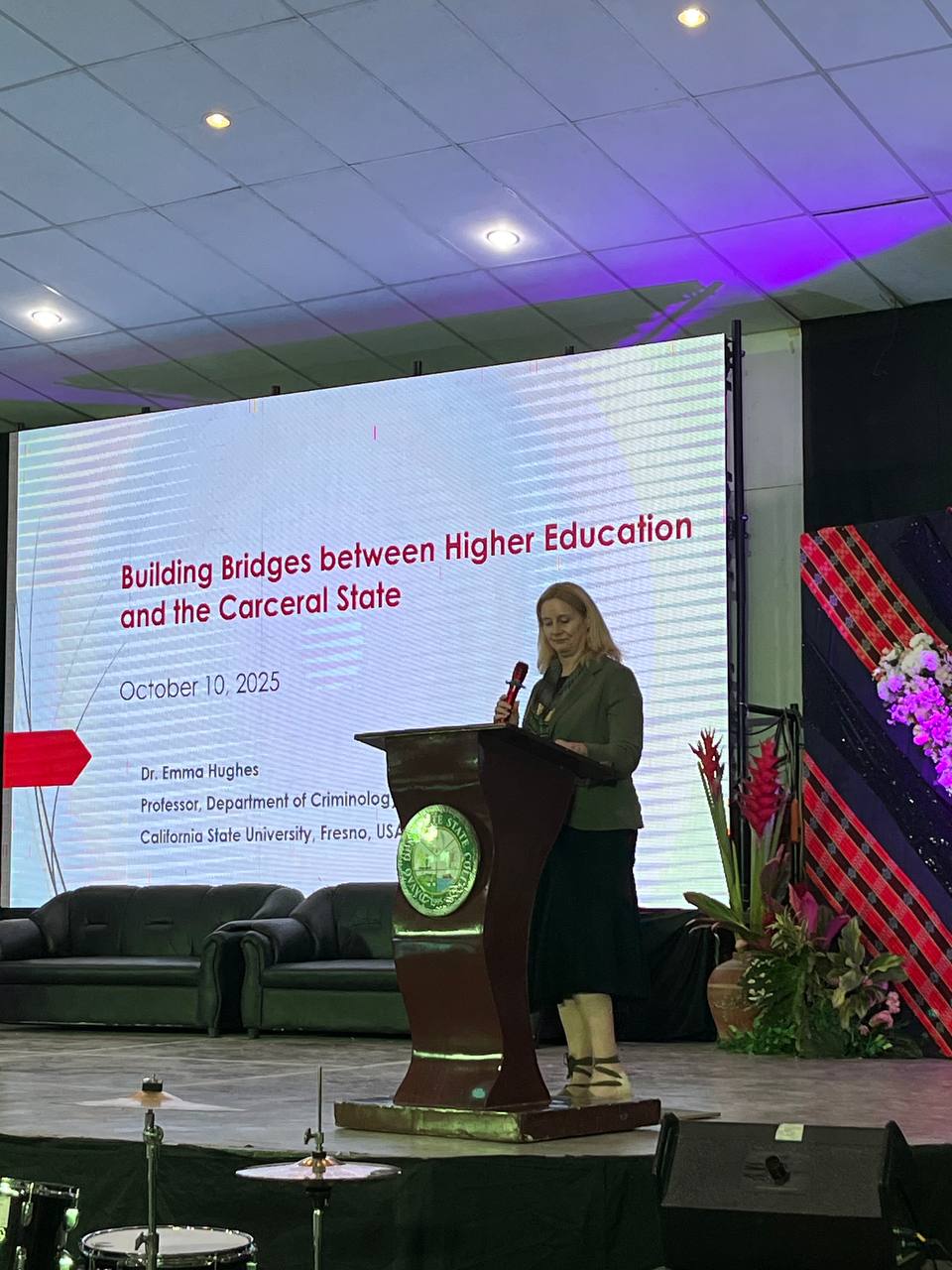

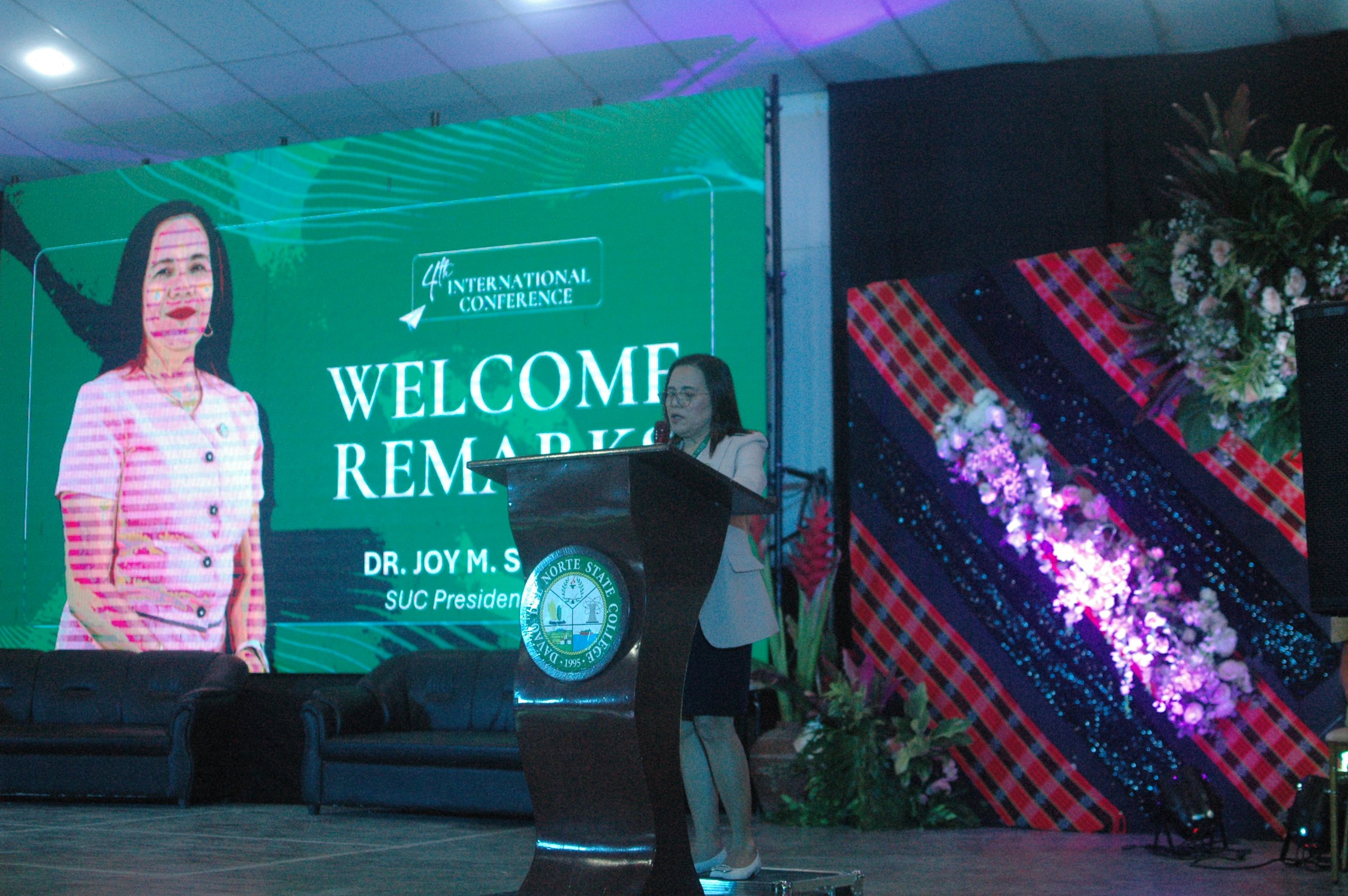
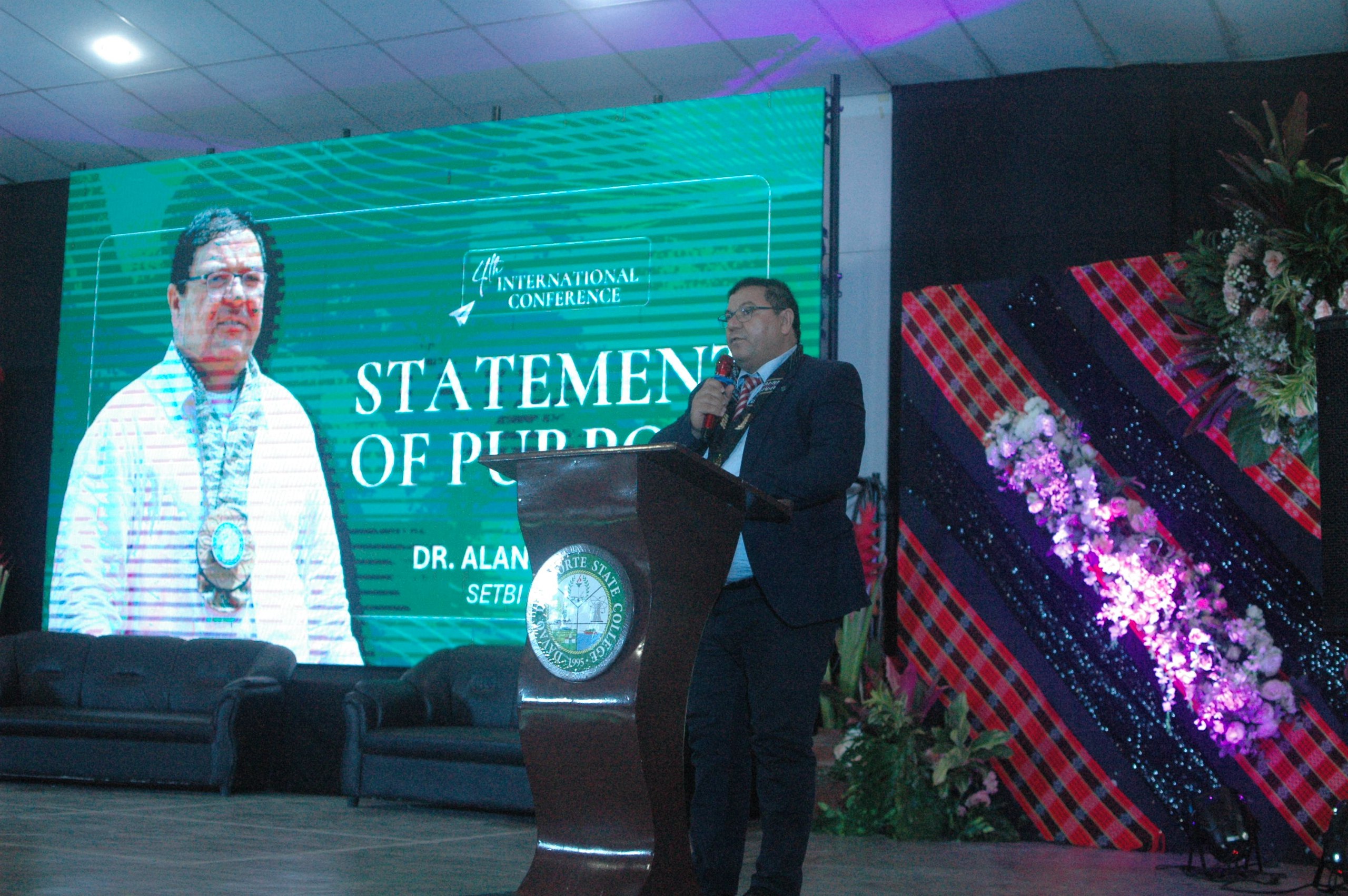
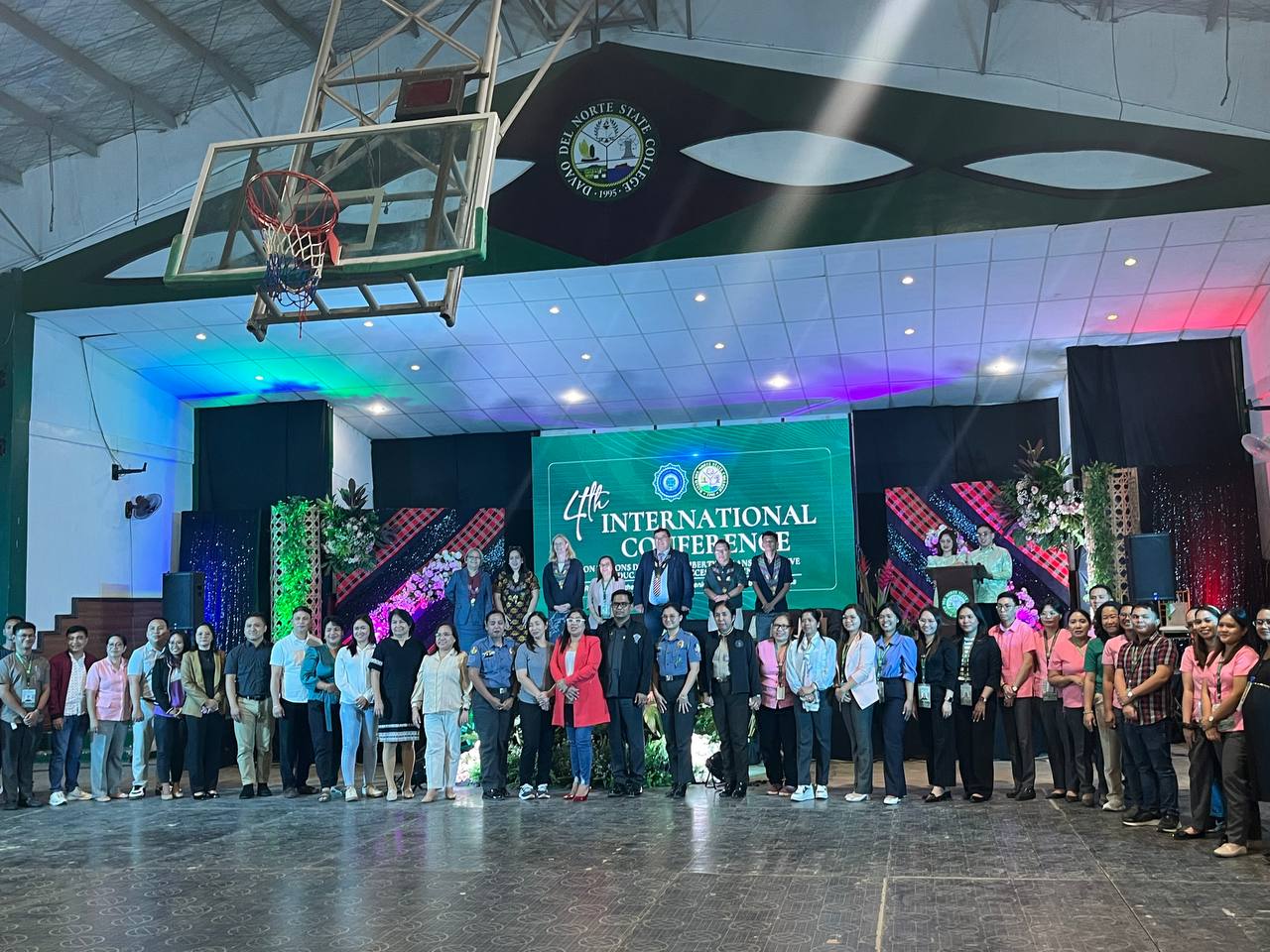
Our justice system is notoriously slow. For the poor, justice delayed is definitely justice denied.Noted criminologist Prof. Raymund Narag said it takes two to three months for a person deprived of liberty (PDL) to be arraigned, and three to six years for the case to be finalized. A PDL is lucky to have four hearings in a year, but usually only one gets done. As a result, most PDLs plead guilty to a lesser offense.Our prisons are overcrowded and unsafe, making them unfit for teaching and learning. They fail to educate, rehabilitate, or transform lives.So how do we fix a broken system?One answer began in 2016 when two intrepid champions of penal reform launched the College Education Behind Bars (CEBB) in Davao City.Dr. Aland Mizell and Atty. Susan Cariaga established the first CEBB program in the Philippines, which I believe is also the first in Asia. They co-founded the Social Entrepreneurship Technology and Business Institute (SETBI) and, in partnership with the University of Southeastern Philippines (USeP) and the Bureau of Jail Management and Penology (BJMP), launched and equipped the first CEBB campus at the Davao City Jail.When I learned about their pioneering effort, I immediately pledged my support. I joined Honeylet Avanceña in opening this program at the Davao City Jail.The concept of CEBB isn’t new. It was designed to lower recidivism and make better use of time spent in jails and prisons. Without support, PDLs return to the same conditions that led to their arrest.
Many universities, private groups and government agencies have education programs in jails across the country.But CEBB is innovative and one-of-a-kind. In partnership with Davao City Jail, they built a facility where PDLs attend classes from 9 a.m. to 3 p.m., just like regular students. The center has laptops and well-ventilated rooms where learning takes place, away from the noise and filth of crowded cells. After class, they return to the overcrowded jail. I used to tell Aland and Susan that CEBB is the only school where students get upset when there are no classes and can earn high grades because there are no after-school events.I attended one of their classes and observed that most students were women with drug-related cases. They were enrolled in a BS in Entrepreneurship program to support themselves after their release.I learned that USeP initially had some doubts about the program. However, once they saw how committed the students were – many of whom outperformed their regular students – they started championing the program.Graduates of the program have a zero recidivism rate. We all understand that some people commit crimes serious enough to require incarceration. The real question is whether prison becomes a dead end or an opportunity for renewal. About 80 percent of those incarcerated are held for drug-related offenses, many of whom are repeat offenders.
Studies show that unemployment is the main reason they reoffend. CEBB addresses this by combining education, skills training and rehabilitation.
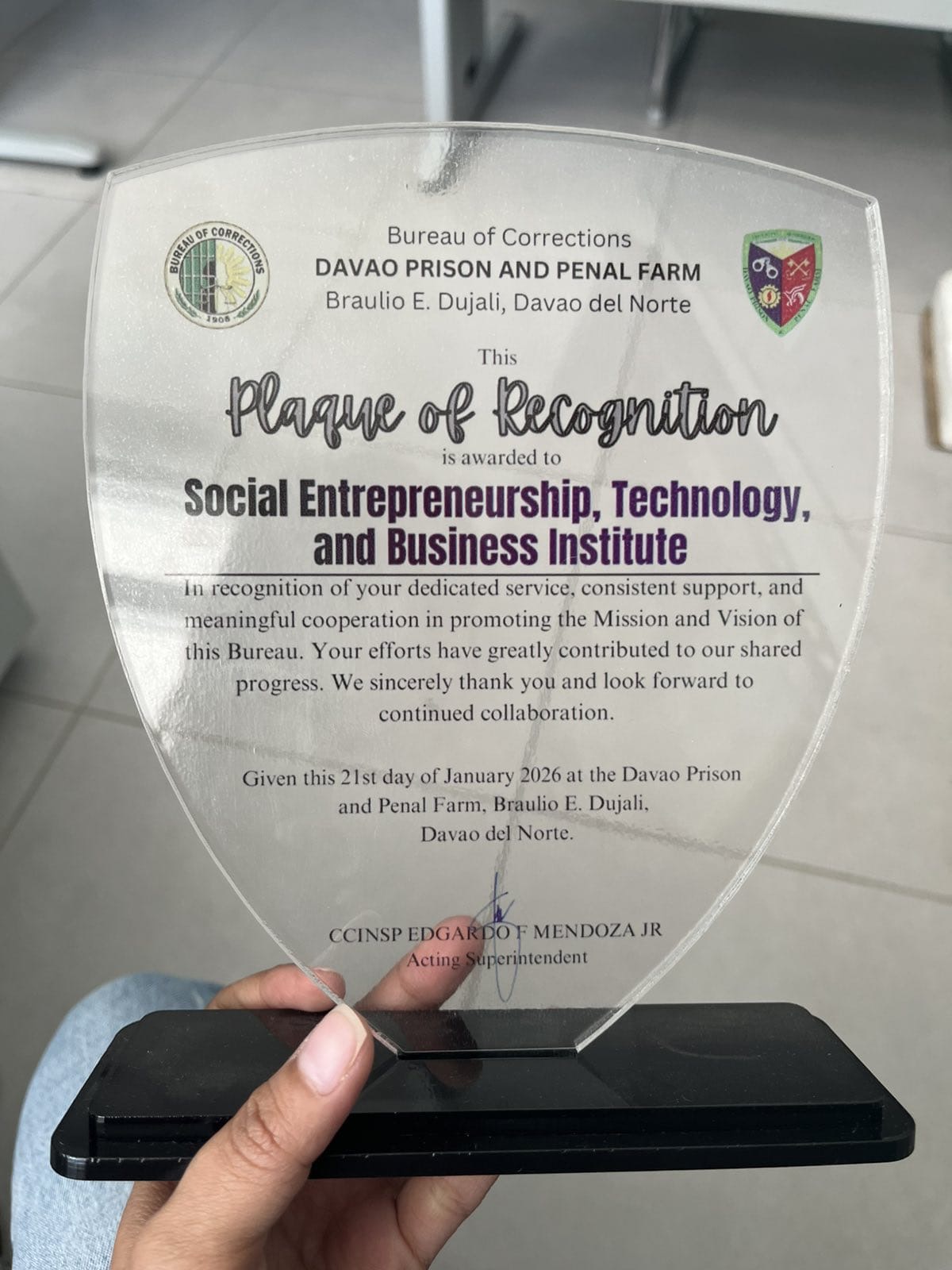
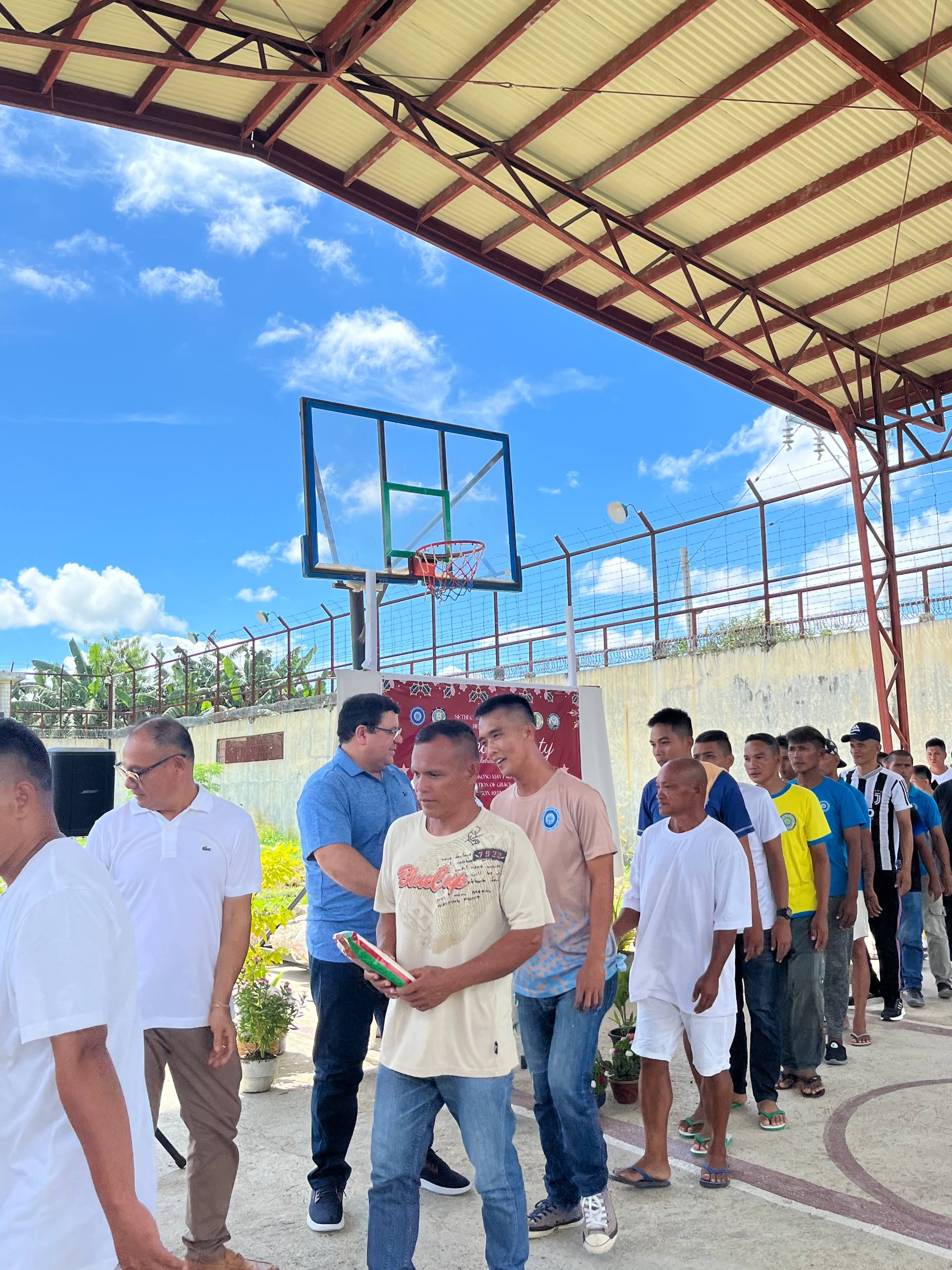
The success of the CEBB at the Davao City Jail was quickly duplicated at the Davao Prison and Penal Farm (DPPF) in Davao del Norte through a partnership among SETBI, Davao del Norte State College (DNSC), the Bureau of Corrections (BuCor) and the Dangerous Drugs Board.
The new facility was even more innovative. SETBI built a school and dormitory within the penal farm so PDL students could study and live separately, avoiding negative influences.
As CHED chairman, I arranged a grant through the DNSC to establish a state-of-the-art computer laboratory as part of its extension program in DPPF. The grant provided computers, servers, smart TVs and classroom equipment to enable real digital learning behind bars.
This is important because many PDLs are digitally excluded and struggle to reintegrate into today’s tech-driven society. The initiative also supported DNSC and SETBI in launching a BS in Information Systems to create more opportunities for PDLs seeking to enter the modern workforce.
I spoke at the first CEBB graduation ceremony at the DPPF. I declared that education has given PDLs more than just a degree – it has also bestowed respect and dignity. The PDLs may have been deprived of liberty, but we must not deprive them of the right to education.
CEBB, in collaboration with USeP and DNSC, now offers Bachelor of Science degrees in Computer Technology, Agricultural Business, Entrepreneurship and BS Industrial Technology.
The success of the CEBB in Davao City and Davao del Norte comes from an adventurous NGO (SETBI), public universities (led by USeP president Bonifacio Gabales and DNSC president Joy Sorrosa) and government agencies (DDB, BuCor, BJMP, DPPF) who still believe reform is possible in the penal system.
USeP president Gabales and DNSC president Sorrosa are now championing its expansion across other public universities.
It has brought hope to hundreds of PDLs and more than 120 graduates are now employed, running businesses or working as program staff. Former PDLs now hold roles as managers, teachers, coordinators and even social entrepreneurs, helping fellow inmates earn income.
The CEBB model must be expanded nationwide so more PDLs can earn degrees while serving their sentences.
Indeed, education behind bars can help lower prison population, enhance community safety, turn incarceration into opportunity and permanently transform lives.
Email: popoydevera58@gmail.com.