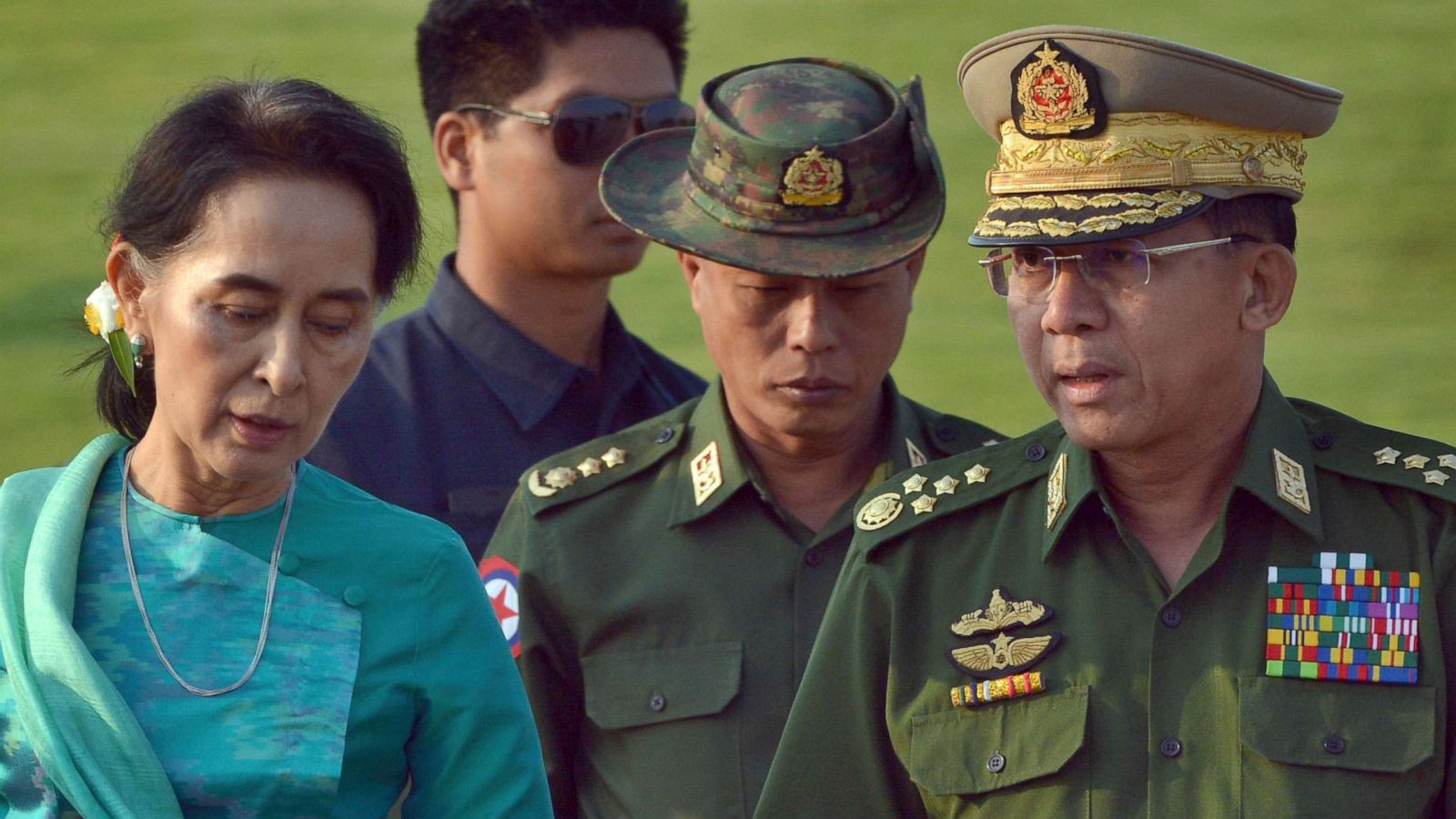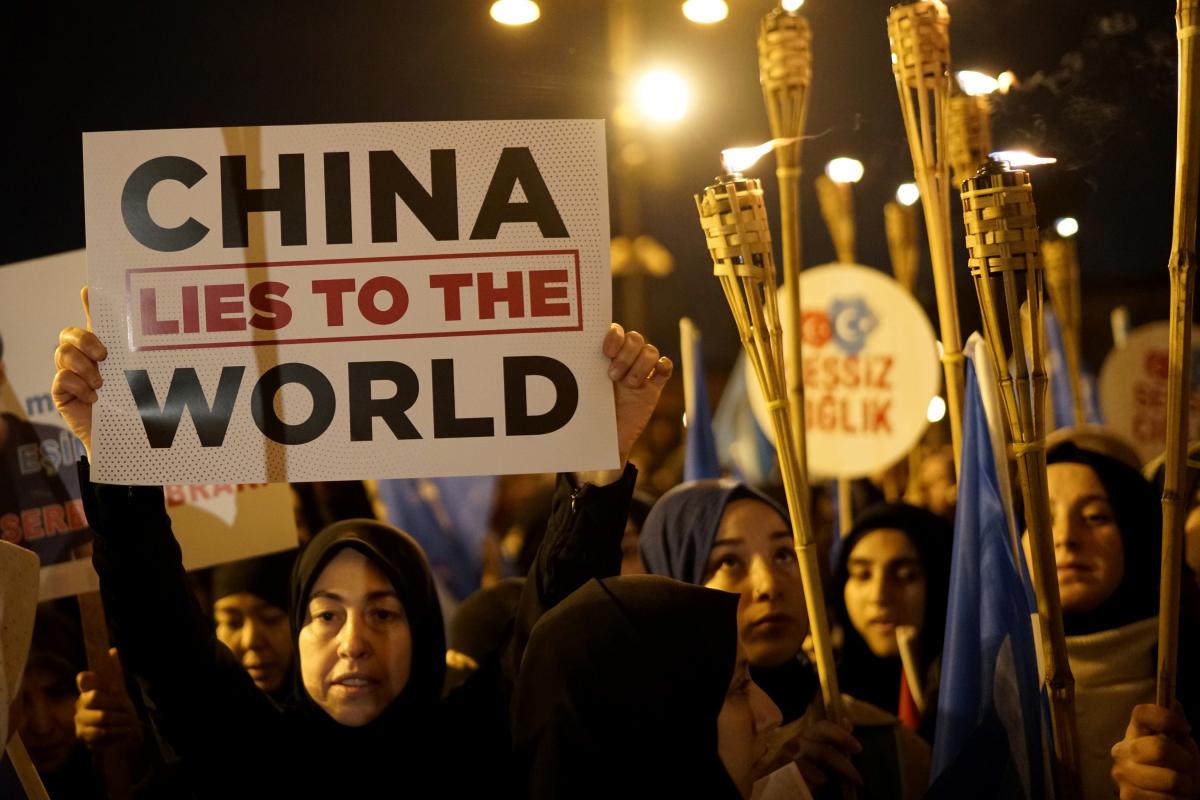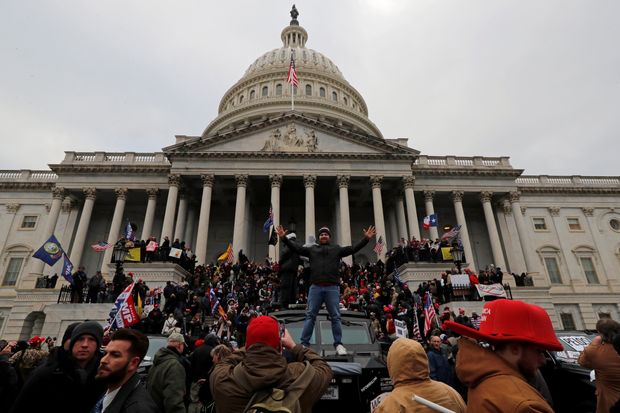
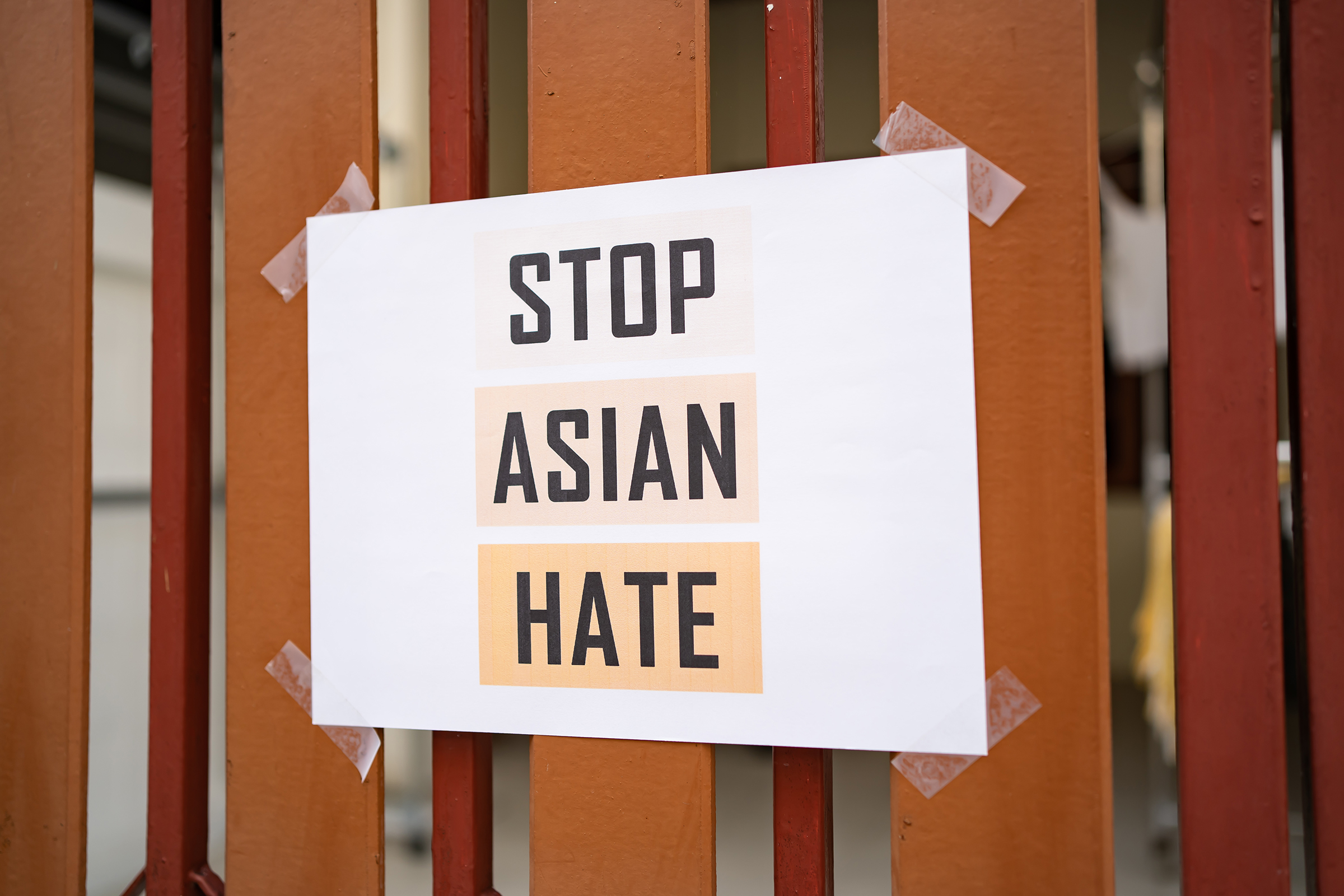
 Constant change and disruption characterizes the twenty-first century. So much is changing so quickly in our culture. One of the things that is shifting dramatically is how deeply we seem to hate each other. Elections and the Coronavirus have made that trend worse. The world witnessed a wave of violent protests, ranging from Myanmar to the United States and from Hong Kong to France, Iraq, Africa, Libya, and Latin America, to name just a few. At the same time, many societies have faced challenges related to individuals and groups engaged in violent acts and other types of extremist activities. The most prominent examples include the increase of hate crimes against Asian–Americans over the last year that has focused attention on an ongoing prejudice against this group. Hate crimes against Asian-Americans have been skyrocketing in the United States since the Coronavirus pandemic. Stop AAPI Hate, a reporting center for such incidents in the US, estimates that more than 3800 anti-Asian bias incidents have occurred since last year when the pandemic began, and these incidents include everything from verbal harassment to physical attacks. The shootings at the three Atlanta area spas resulted in the deaths of eight people, six of whom were Asian women. Granted, spas tend to be staffed by workers from a few Asian countries, but these are just a few examples. Many on the left assign responsibility to Donald Trump‘s rhetoric about the Covid-19 crisis, which often blamed the Chinese government for the way it handled the virus. The other reason contributing to the prejudice against Asians may be the economic war going on between the U.S and China because this competition in general has cast Chinese, and other Asian-Americans by association, as potential enemies. Continue reading