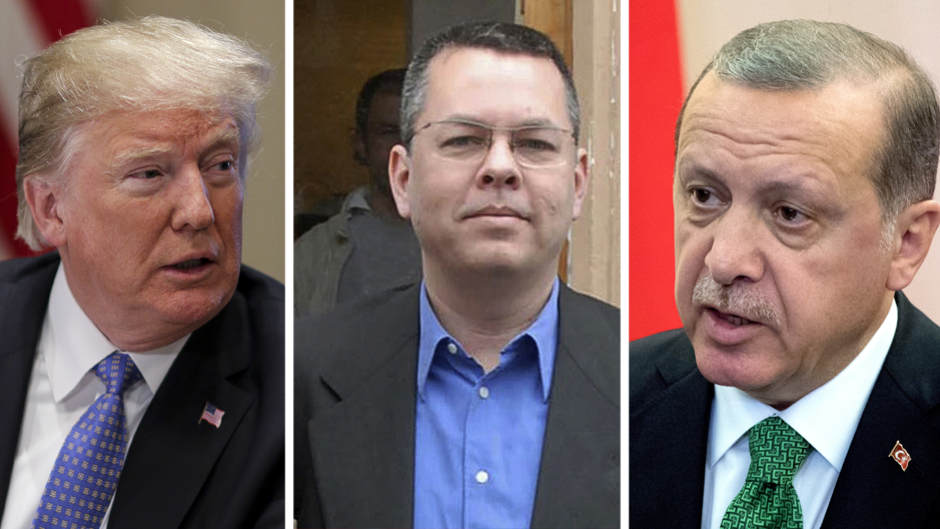
Who Are Fethulah Gulen and Andrew Brunson, the Imam and the Pastor Prompting Sanctions and Threats Against Turkey?


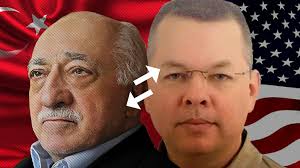
The United States and Turkey have a long history of alliances, partnerships, and cooperation. Today, the relationship between the two countries needs to develop and grow. Through mutual values and shared interests, they need to attend to security and stability in the region, beyond fighting terrorism and extremism, as well to economic collaboration. In recent weeks, however, the United States and Turkey have escalated tensions between the two countries with President Erdogan citing the Turkish police’s arrest of an American Pastor Andrew Brunson on charges of aiding a terrorist organization and the U.S.’s imposing sanctions. President Trump issued these sanction because of Turkey’s refusal to free Brunson, knowing that he is innocent of the charges. President Recep Tayyip Erdogan has called on the United States government to exchange the Pennsylvanian based Turkish Imam, Fethullah Gulen, with Pastor Andrew Brunson, who has been in jail in Turkey since 2016. According to Erdogan, Turkey has given Washington all the documents necessary for the extradition of Gulen, but the U.S. refuses instead demanding the return of the pastor who is now on house arrest after almost two years of incarceration. On September 28, Erdogan responded, “You have another pastor in your hands. Give us that pastor and we will do what we can in our judiciary system to give you this one.” The United States argues that we have a judiciary protocol not to extradite citizens or permanent residents (with Gulen being the latter) without sufficient proof of the charges, and Turkey retorts that it also has a judiciary process that sentences those charged. In Turkey’s view, the pastor they charged with terrorism who is in their hands is being tried, but the cleric in the U.S’s hands is not being tried. In Erdogan’s line of reasoning, it is easier for America to give Gulen to Ankara since he is not undergoing judicial review or sentencing and, thus, is not entangled in legal proceedings. So who is Turkey’s public enemy number one and what do we know about his organization? Continue reading
Posted in About | Comments Off on Who Are Fethulah Gulen and Andrew Brunson, the Imam and the Pastor Prompting Sanctions and Threats Against Turkey?

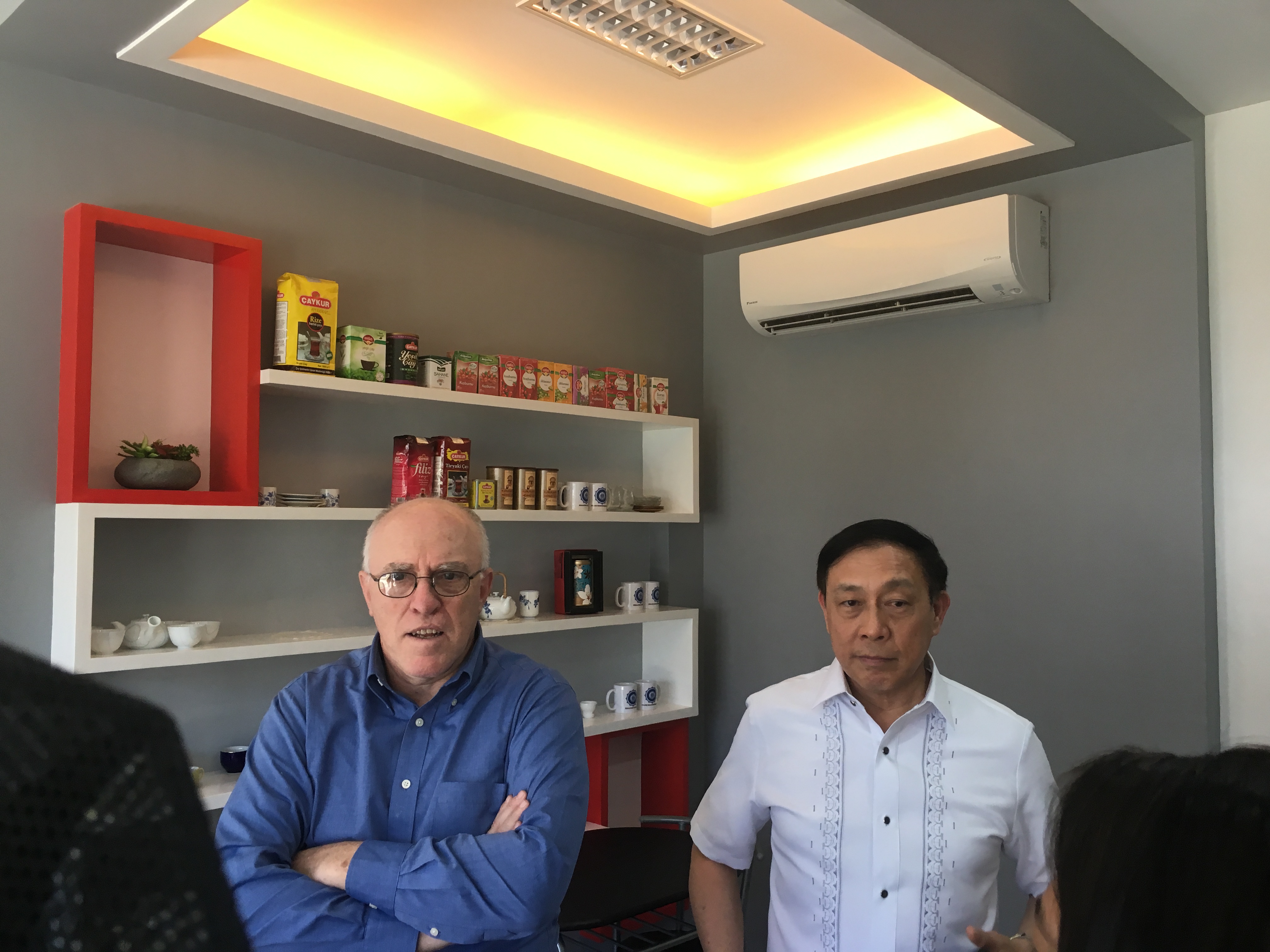
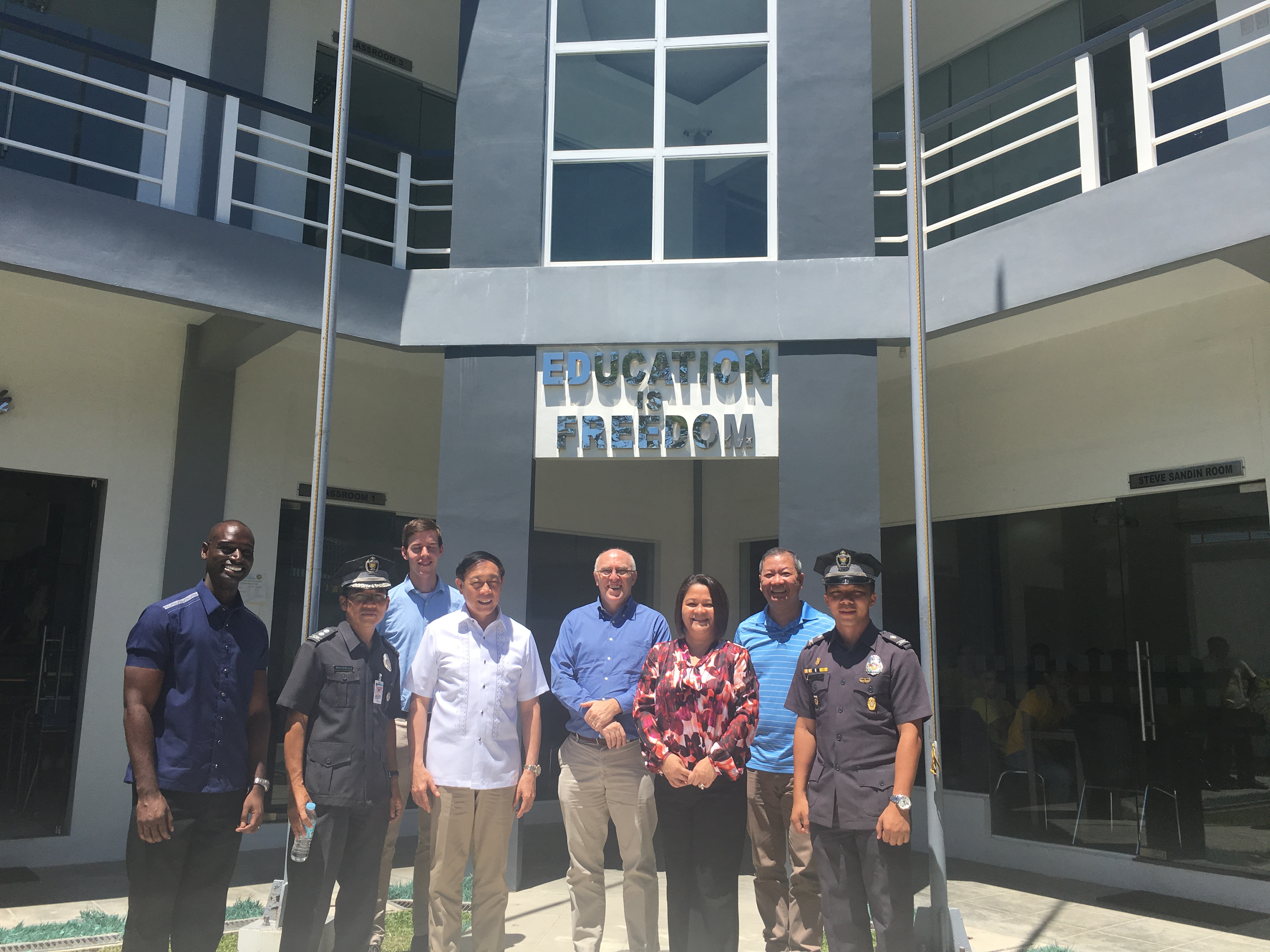
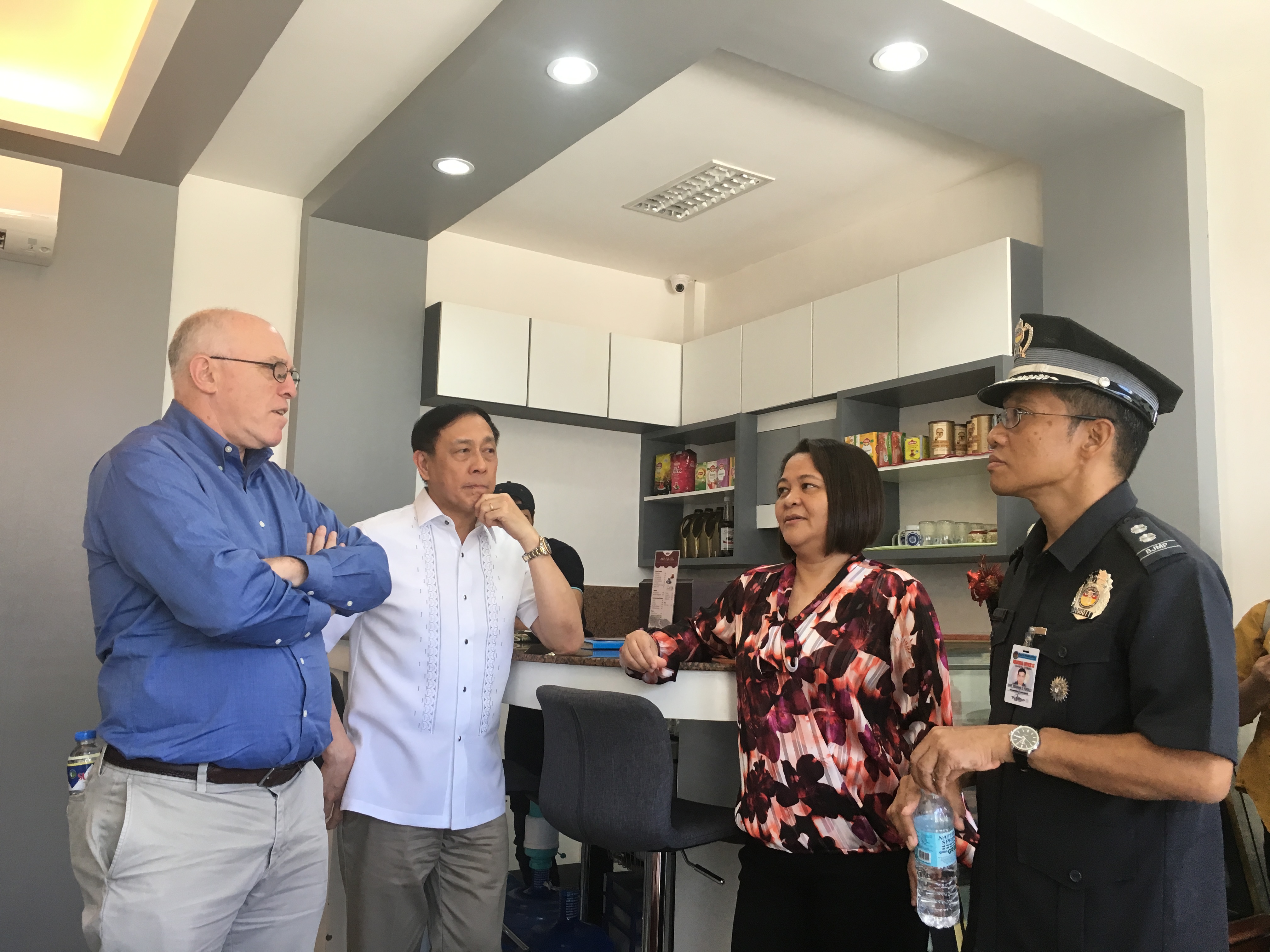
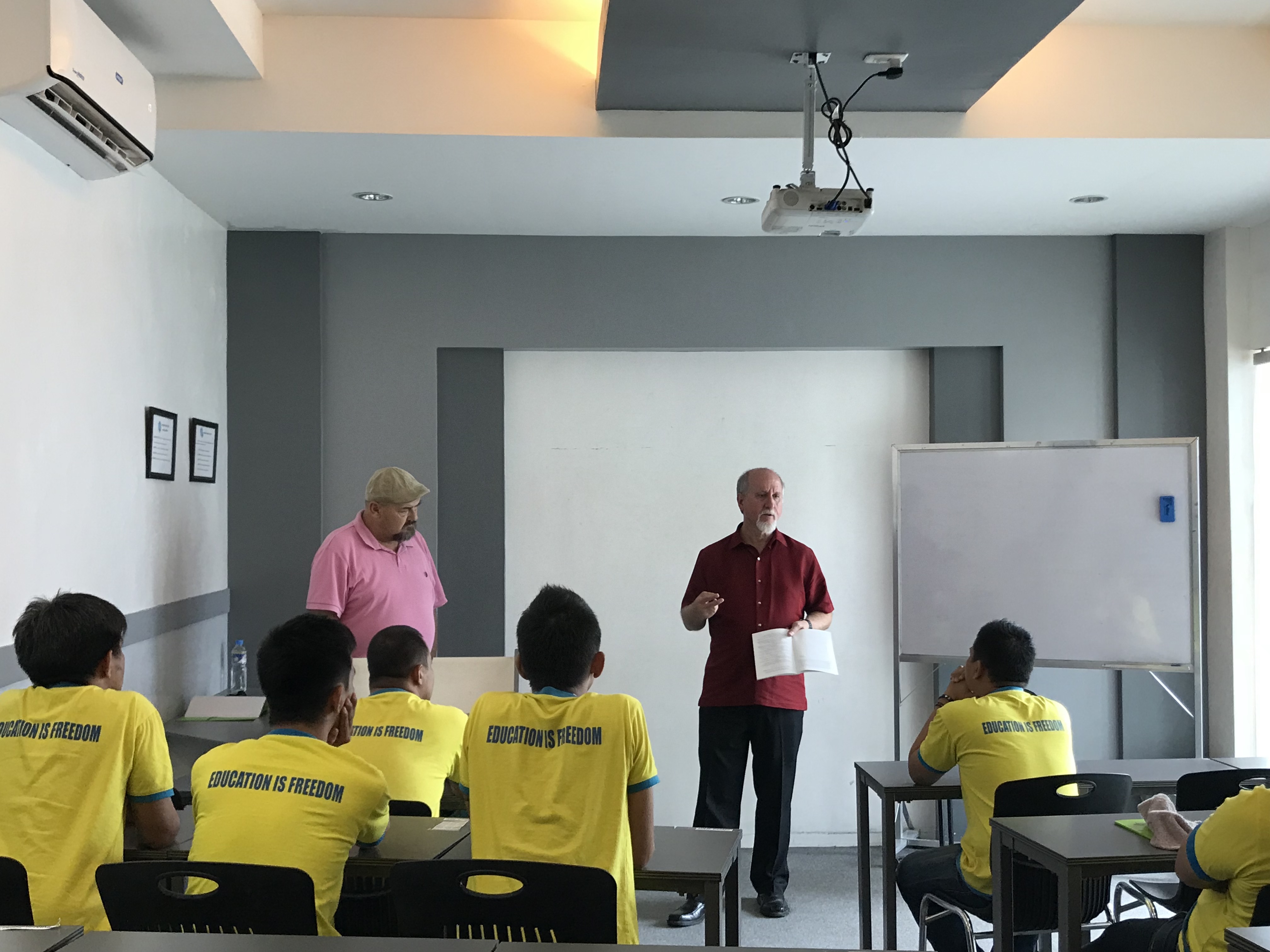
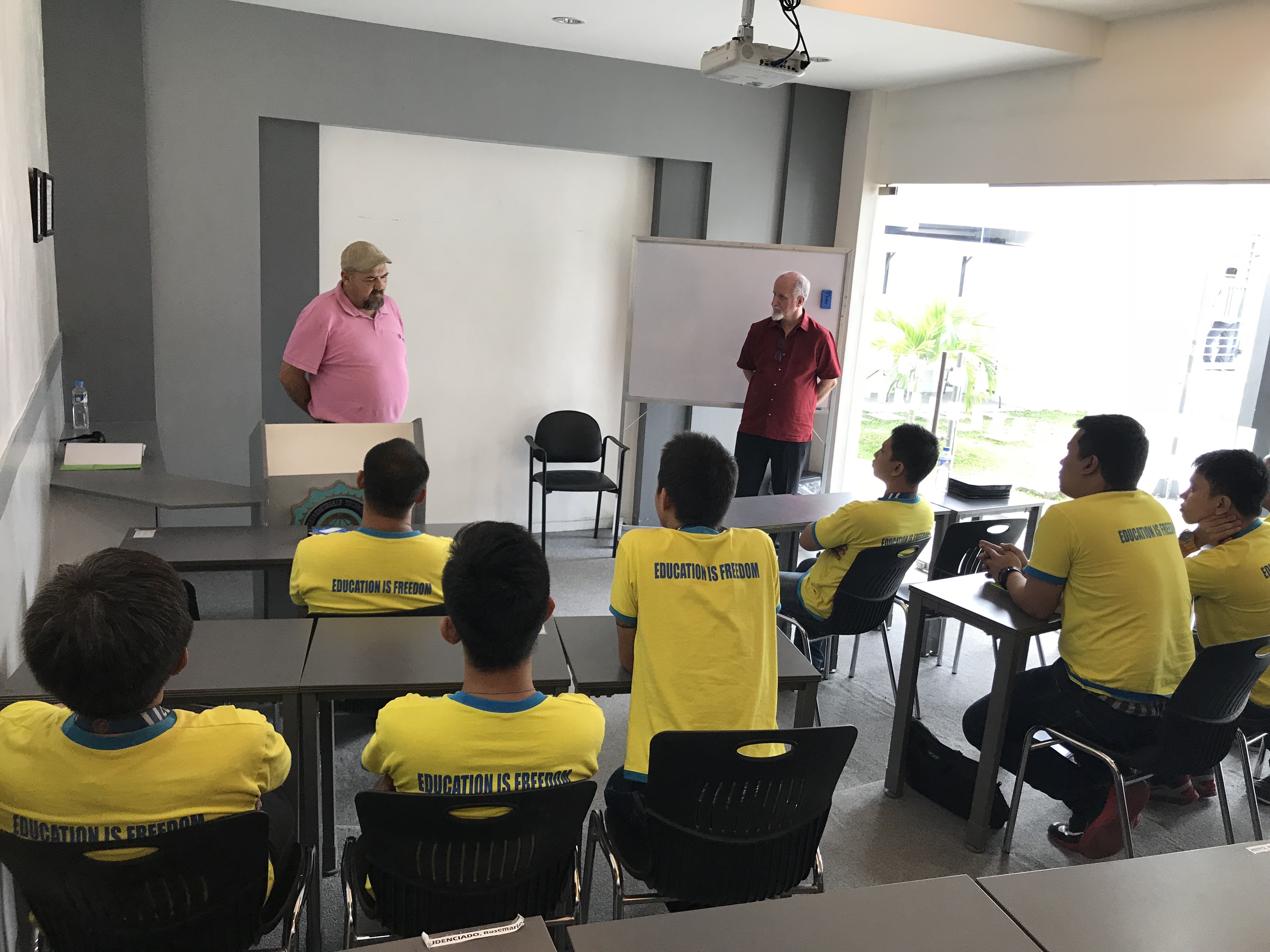
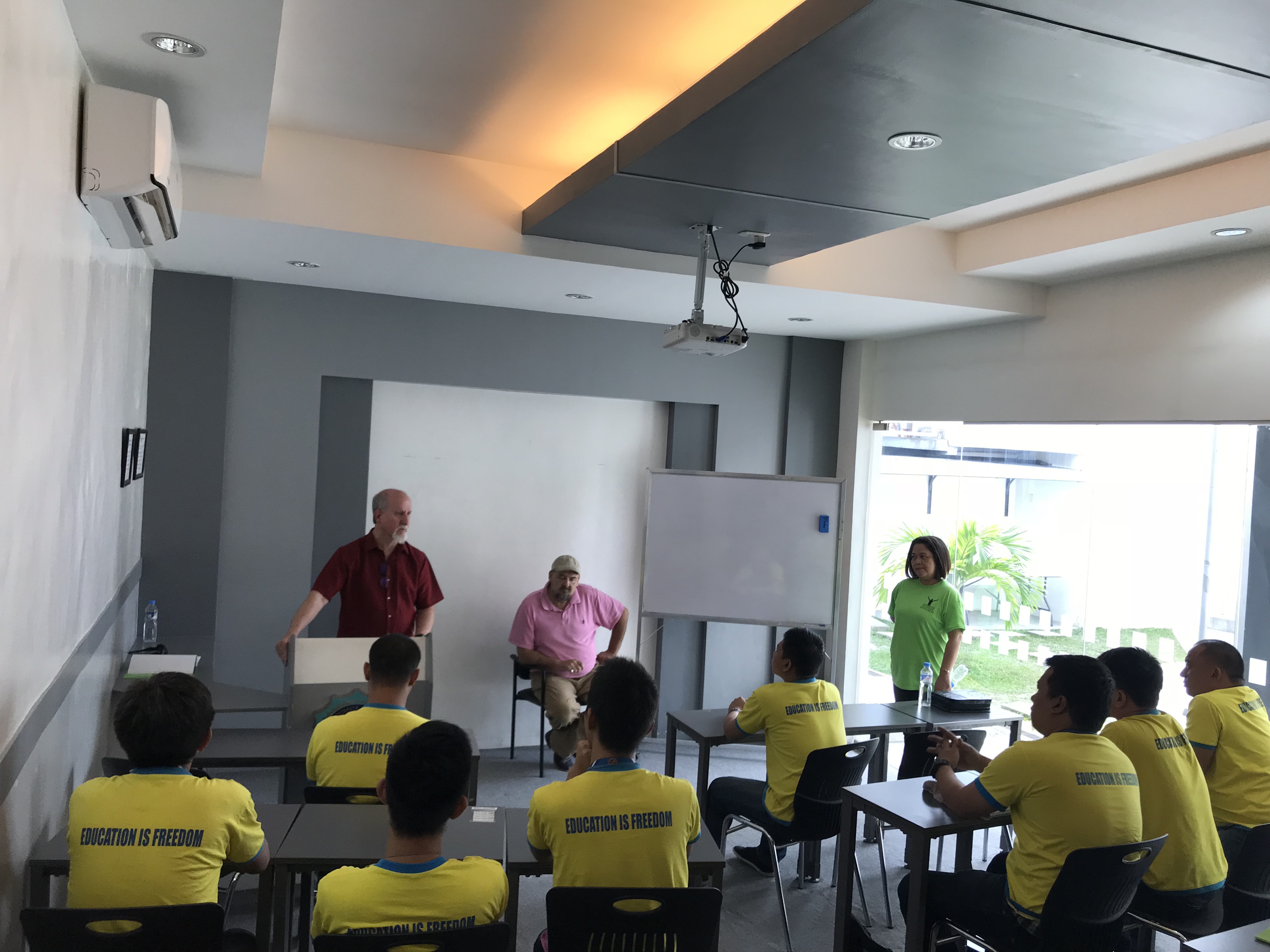
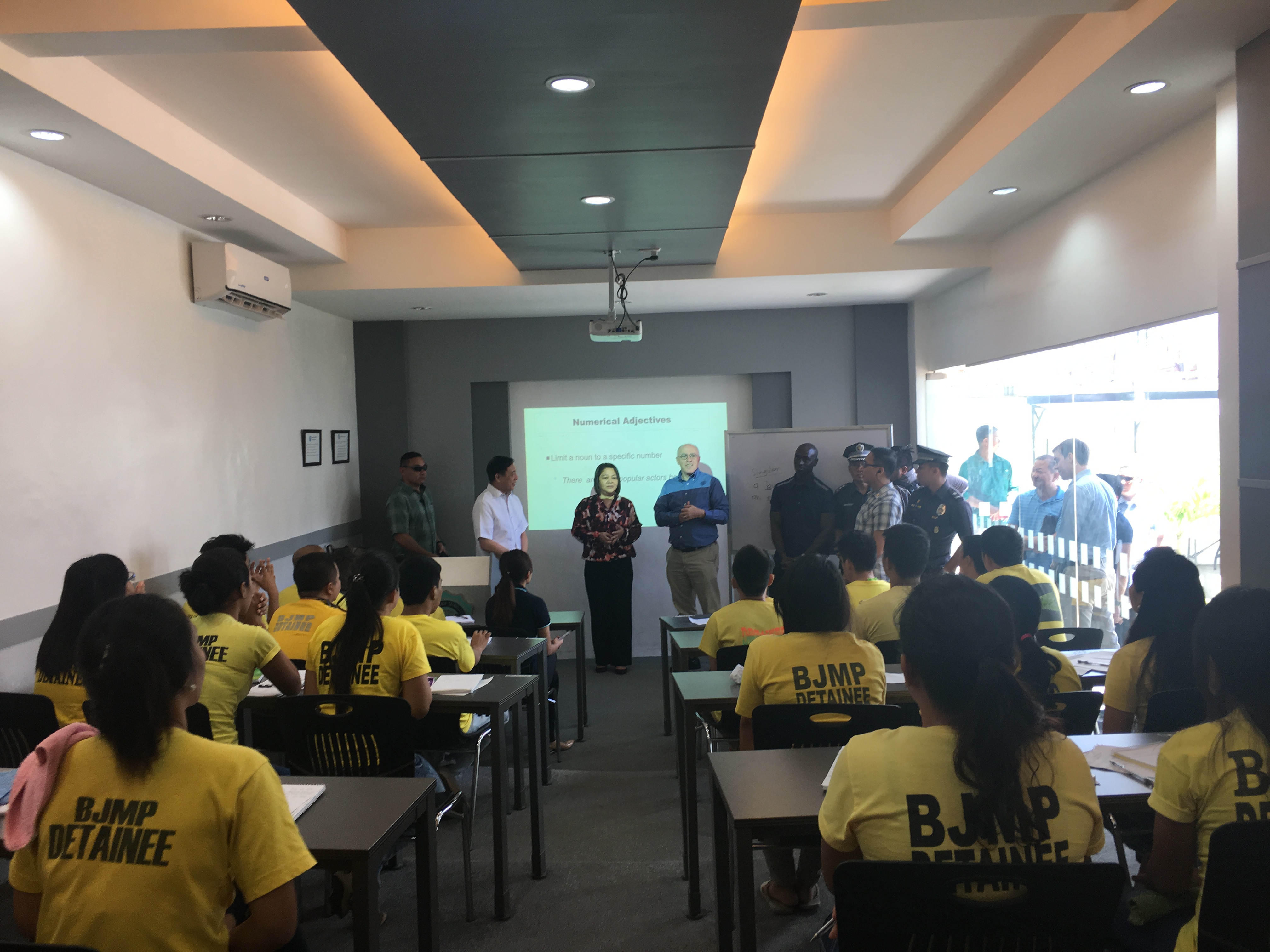
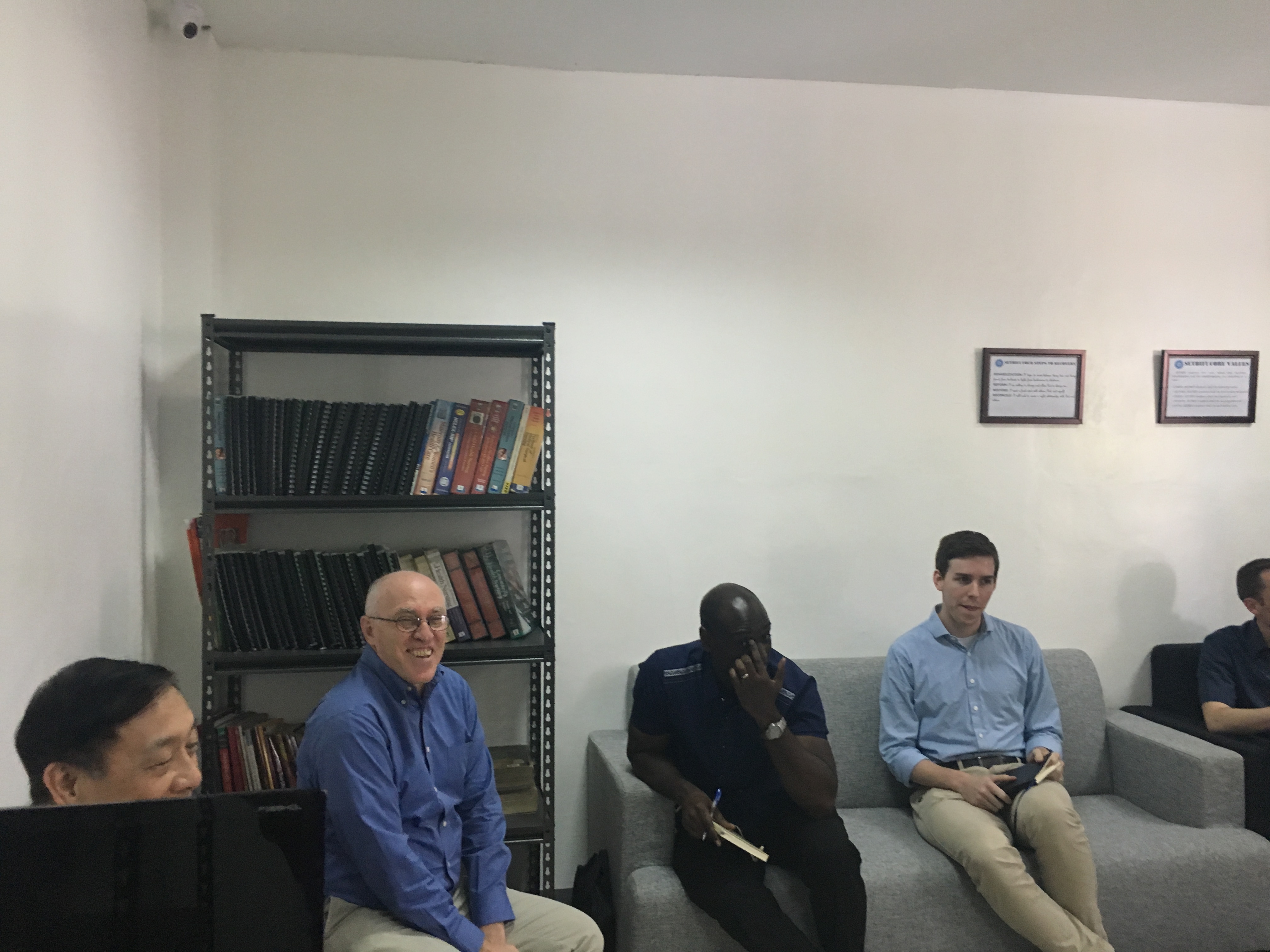
Deputy Chief of Mission (DCM) from the U.S. Embassy in the Philippines, Michael Klecheski, Visited College Education Behind Bars with the head of the Dangerous Drug Board (DDB),Secretary Catalina Cuy.

             DCM Klecheski, who visited with the Dangerous Drugs Board (DDB) Secretary Catalino Cuy, was very impressed with the College Education Behind Bars and encouraged Secretary Cuy to open more schools inside prisons saying the government should support the [rogram. Secretary Cuy told us he wanted to see more rehabiliation center like College education behind bars , Secretary Cur is supportive  College education program. Thus, he invited DCM Klecheski to visit College Education Behind Bars on the UN Drug Abuse Day, celebrated annually on June 26 by UN member states as an expression of the global commitment to work towards an international society free of drug abuse. This year’s theme was “LISTEN FIRST,” because “listening to children and youth is the first step to help them grow healthy and safe.” The UN program complements the U.S. Embassy’s ongoing efforts to support prevention awareness and to promote the role of youth in combatting substance abuse in the Philippines.

Posted in About | Comments Off on Deputy Chief of Mission (DCM) from the U.S. Embassy in the Philippines, Michael Klecheski, Visited College Education Behind Bars with the head of the Dangerous Drug Board (DDB),Secretary Catalina Cuy.

Pastor Brunson must tell President Trump and others not to politicize him and his work

Turkish relations with the U.S .are at a low point over the detention of Pastor Andrew Brunson, who, amazingly, Turkey has accused of being involved in an attempted coup in 2016. Further, President Erdogan has called the ongoing currency crisis an aggressive action against the Turkish economy, which he described as an attack on the Turkish flag and on the Islamic call to prayer. To him, the purpose of the pastor’s arrest and of the financial crisis is not different. It aims to bring Turkey and the Turkish people to their knees. In this declaration, Erdogan indirectly mentions President’ Donald Trump’s warnings of more sanctions if the U.S pastor is not released soon. For the U.S. administration, Turkey’s imprisonment of Brunson has been a problem for a long time. According to Trump in his August 17th statement, “We are not going to take it sitting down,” openly threatening Turkey with more sanctions for the continued detention of the pastor. The Treasure Secretary Steven Munchin supported Trump’s declaration by assuring that Washington had further sanctions ready to implement if Brunson were not released. “We have more that we are planning to do if they don’t release him quickly,” said Munchin. Continue reading

Posted in About | Comments Off on Pastor Brunson must tell President Trump and others not to politicize him and his work

Steps to Recovery Leadership Training

We believe second Chances, and that prison should be a place of rehabilitation. The best rehabilitation is Education itself. A step to Recovery program is prerequisite for all College Education Behind bars students. Ross McClain and Jimmie taught and trained 13 male students leader about Steps to recovery program. Steps to recovery designed its program to help people overcome hurts, hang-ups and habits. Through steps to recovery programs, we offer incarcerated men and women hope, encouragement, support and tool to be transformed in their restoration Journey. Bringing the program to more prisoners struggling with an addiction is a natural extension of College Education Behind Bars’s goal to see prisoners use their sentences as a time to grow, change and find a new, positive life path while incarcerated. Is a spiritual and balanced program that helps us overcome our hurts, hang-ups and habits.

Posted in About | Comments Off on Steps to Recovery Leadership Training

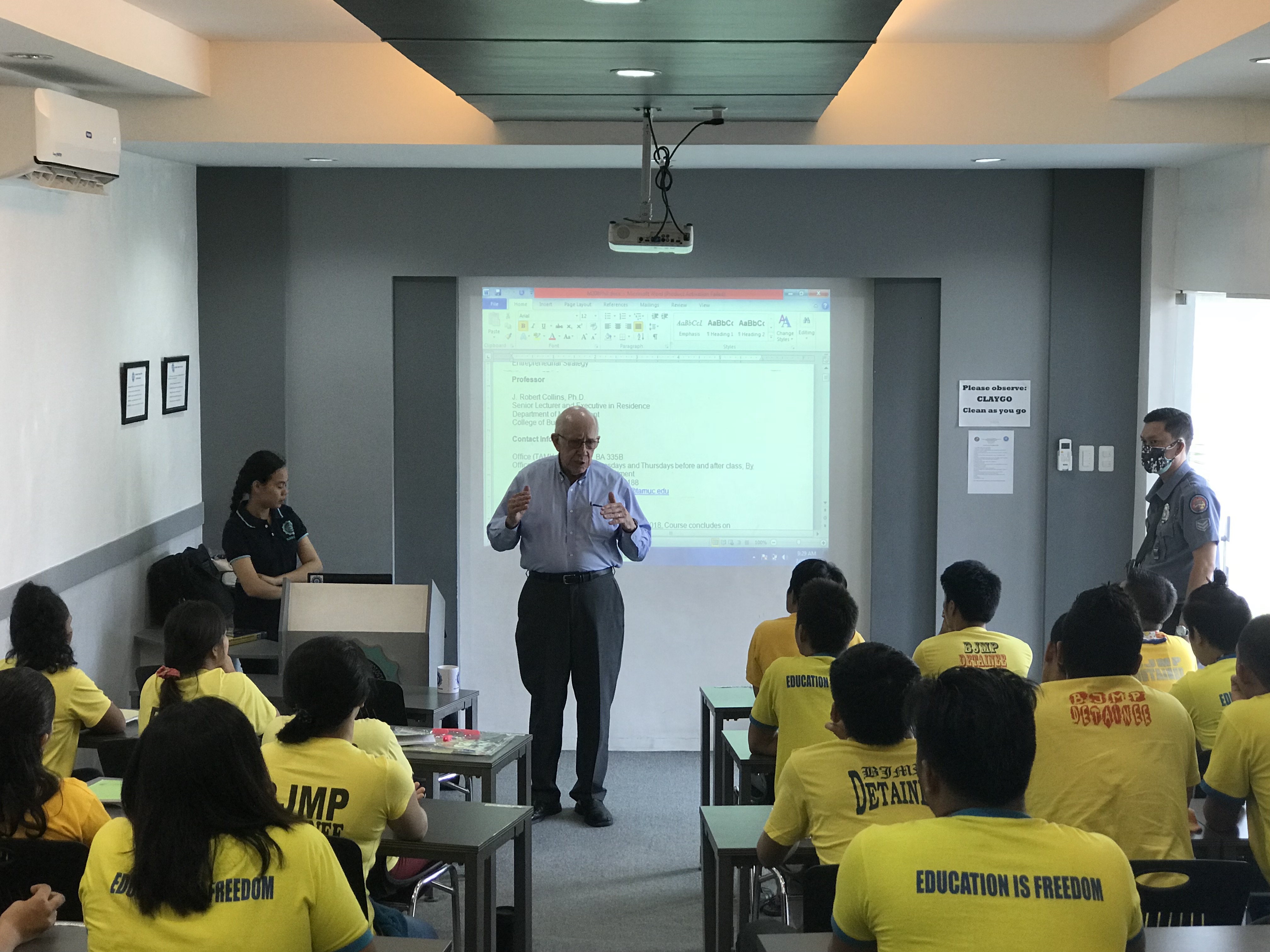
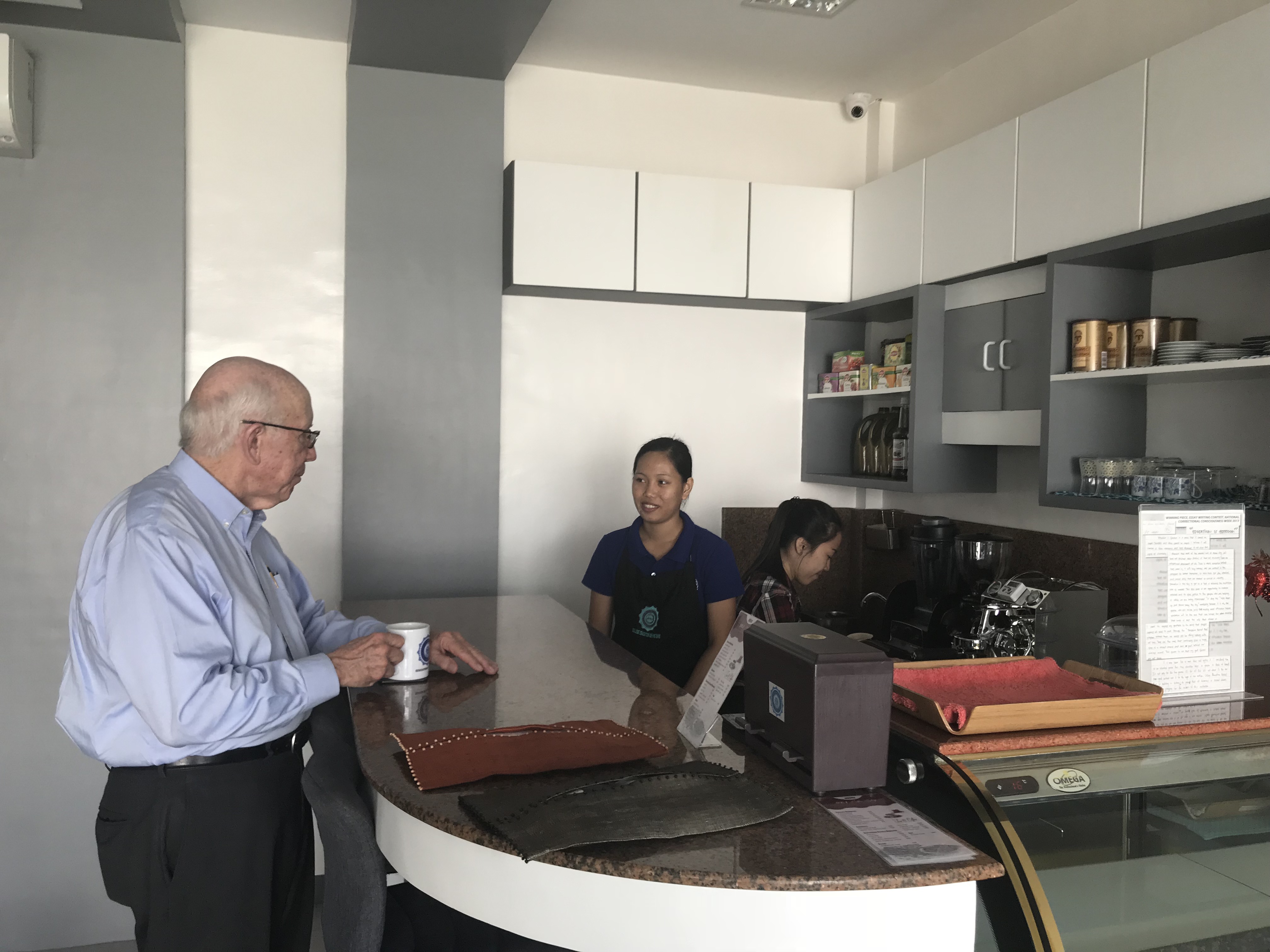
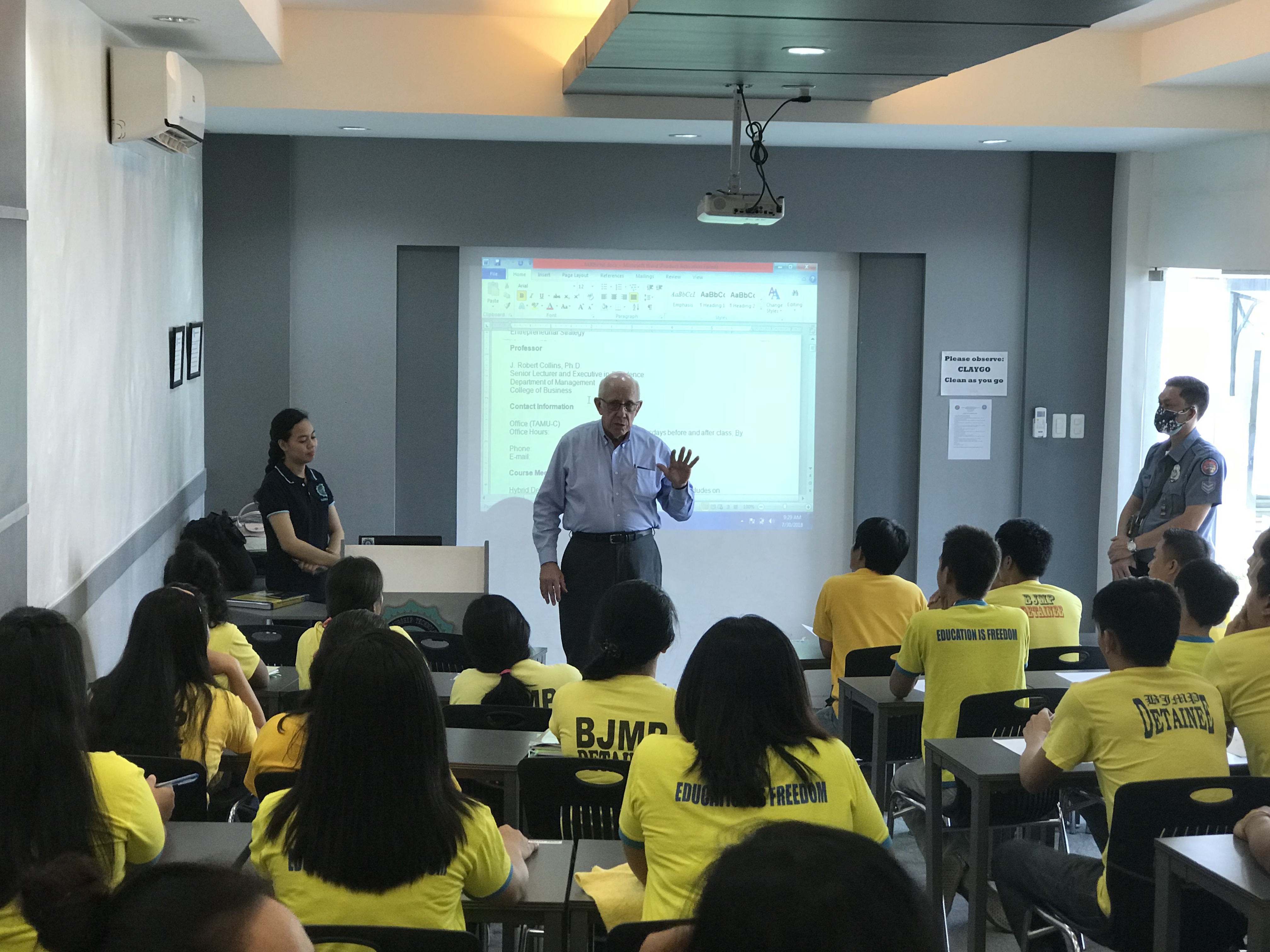
Dr. Collins taught Social Entrepreneurship Course at the College Education behind Bars inside Davao city Jail

Dr. Robert Collins taught Social Entrepreneurship Course at the College Education behind Bars inside Davao city Jail. Social Entrepreneurship is an emerging and rapidly changing business field that examines the practice of identifying, starting and growing successful mission-driven for profit and nonprofit ventures, that is, organizations that strive to advance social change through innovative solutions. This course is designed to provide a socially relevant academic experience in order to help students gain in-depth insights into economic and social value creation across a number of sectors/areas including poverty alleviation, energy, health and sustainability. Through case studies, lectures, and classroom dialogue, students will learn to think strategically and act opportunistically with a socially conscious business mindset. As the traditional lines blur between nonprofit enterprises, government and business, its critical that business students understand the opportunities and challenges in this new landscape. Students learn to develop business plan fro-social entrepreneur Continue reading
Posted in His Articles | Comments Off on Dr. Collins taught Social Entrepreneurship Course at the College Education behind Bars inside Davao city Jail

Deped, NGOs vow to give prison education a boost

The Department of Education Secretary Leonor Briones and President of the Social Entrepreneurship Technology and Business Institute Dr. Aland Maxell vow to work together to give prison education a boost. Secretary Briones said the department would work together to further improve the quality of education in the Prison.” I am happy that we here to discuss the development of education in the prison Continue reading
Posted in About | Comments Off on Deped, NGOs vow to give prison education a boost

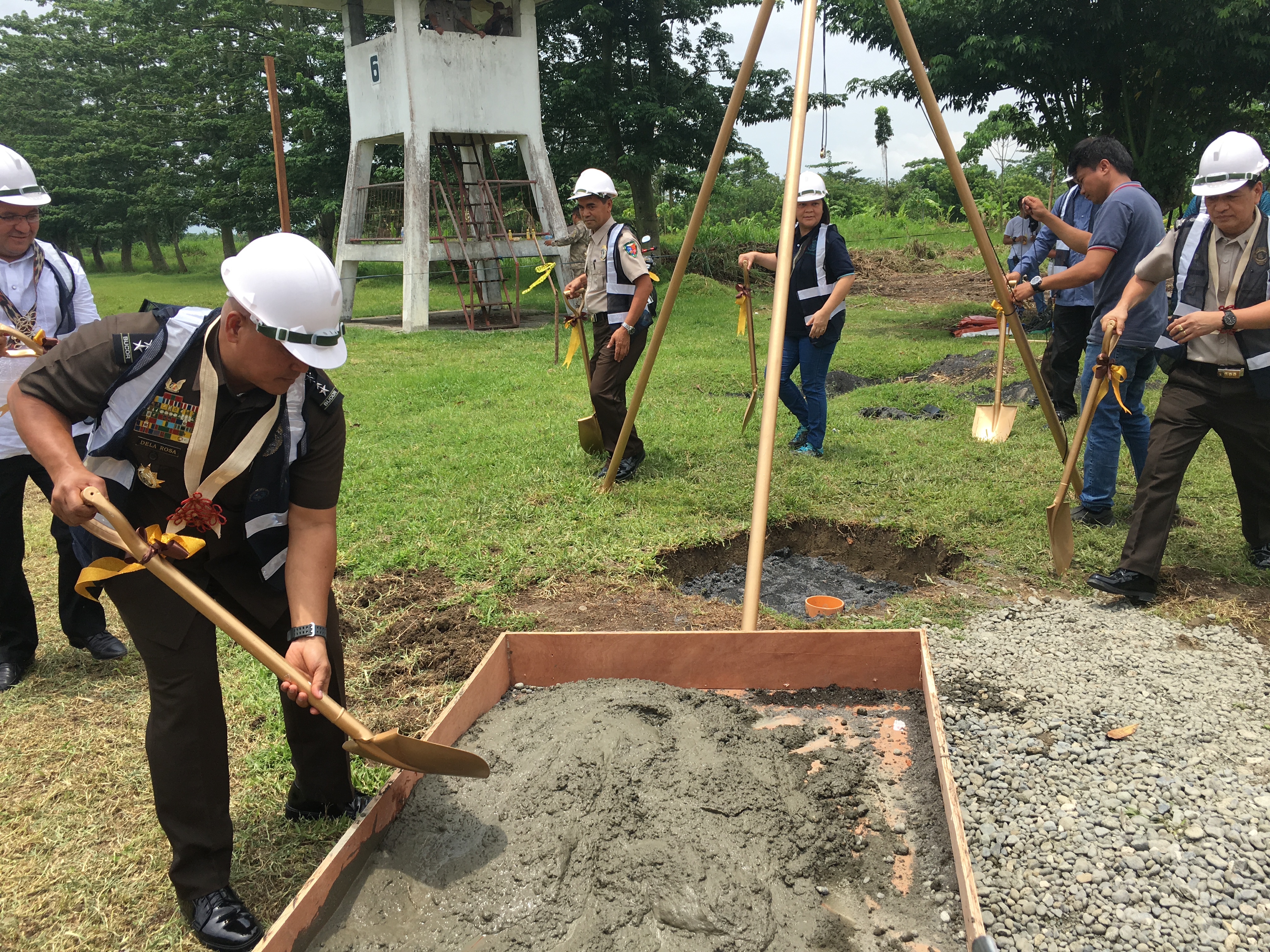
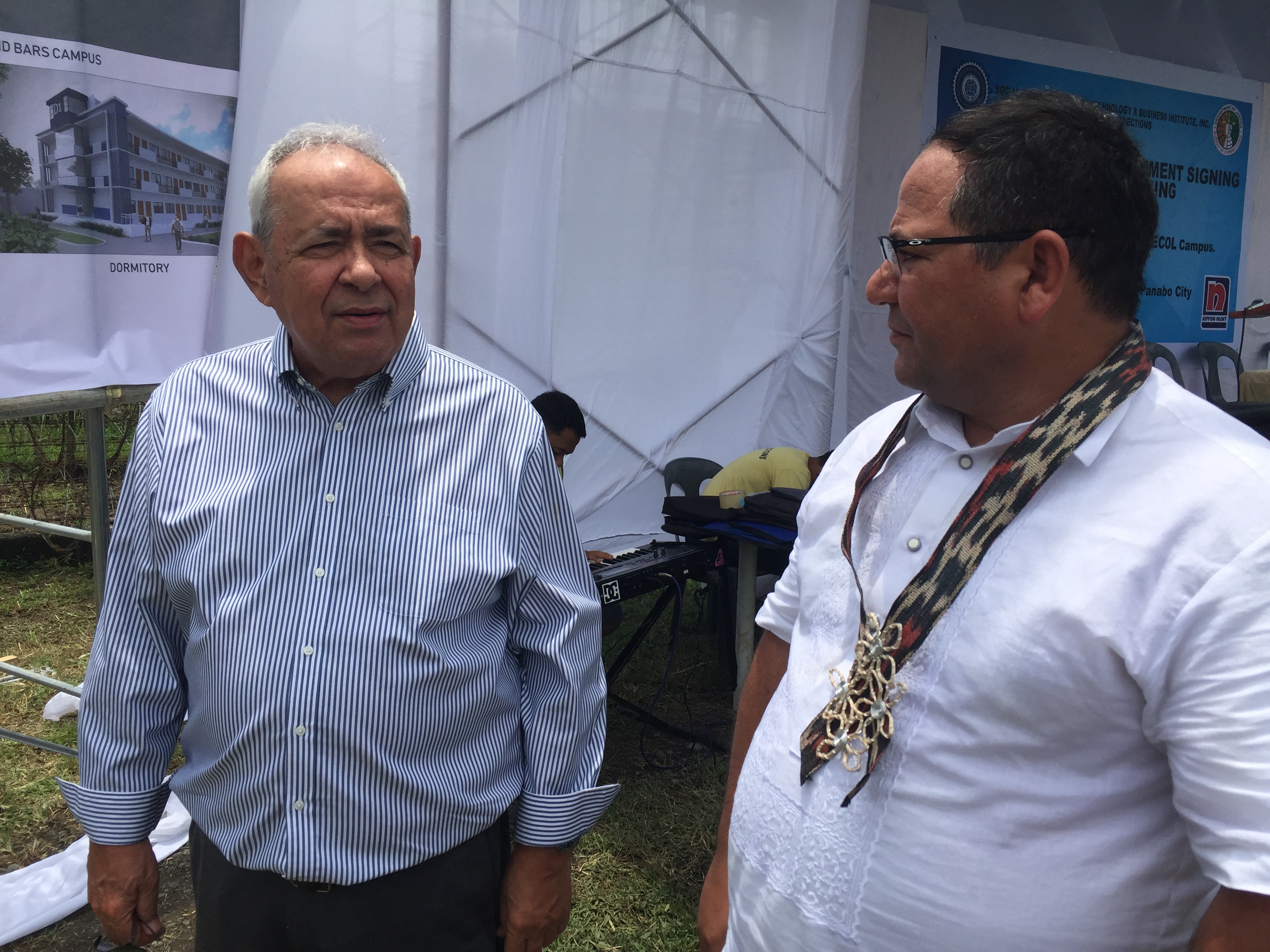
Officials break ground at site of new College Education Behind Bars’s Campus at the Davao Prison and Penal Farm, which is set for completion in 2019

It is one of the few times shoveling will be allowed at the new prison. The people who participated in the ground breaking for the College Education behind bars’s second campus focused on how it can better help inmates rehabilitate and returned to society. This event was more than building a building but this was about restoring lives The Social Entrepreneurship Technology and Business Institute, Inc. (SETBI), by partnering with the Bureau of Corrections (BuCor) has initiated a “College Education Behind Bars” Second Campus at the Davao Prison and Penal Farm. This program aims to provide the inmates, both male and female, who are mostly drug dependent, the means to advance their education in prison. It also offers them a recovery program with their college diplomas, so that if or when they are released, they are fully equipped to go back into society as a contributor to nation building and not a burden to their family and community. Through the College Education Behind Bars mentoring and recovery program, detainees enhance skills critical to completing a college degree and building trust in personal relationships. Both activities significantly increase prisoners’ chances of succeeding when returning to the community.

Inmate students will read the same university-assigned textbooks and complete the equivalent college level assignments as the “outside” college students, and when they graduate, they will receive a diploma from the USeP for having completed its college program. The only differences is that USeP teachers will travel to the Ma-a Jail to teach courses there, instead of on the USeP campus. Before students enroll in the program, the educational professionals will assess and screen detainees for basic literacy and readiness for college and will document their grade level, vocational assessment needs, length of sentence, and security clearance, etc. The inmate will sign the agreement to enroll in a course and will be monitored for being on their best behavior at all times. To be prepared for additional college coursework, transitional employment and life demands for cognitive skills, detainees will be advised after completing their college courses and will be more throughly counseled before release. Sooner or later, inmates will be out on the street again. Each of the inmates wants to leave the prison world never to return again. To do that, they need to succeed when they re-enter society. There is a huge challenge for the prisons when the incarcerated get out because eventually most find themselves back in. There are many reasons for the high rate of recidivism, but studies show that the primary cause is unemployment. On the outside they need a job to be able to eat, to have a place to live, to support their family, to hold their heads high, and to know they can handle freedom. But jobs are hard to find when an individual is an ex-convict. With a college degree, good life skills, a core education, and solid vocational training of at least one year or more, released prisoners can overcome the prison stigma..

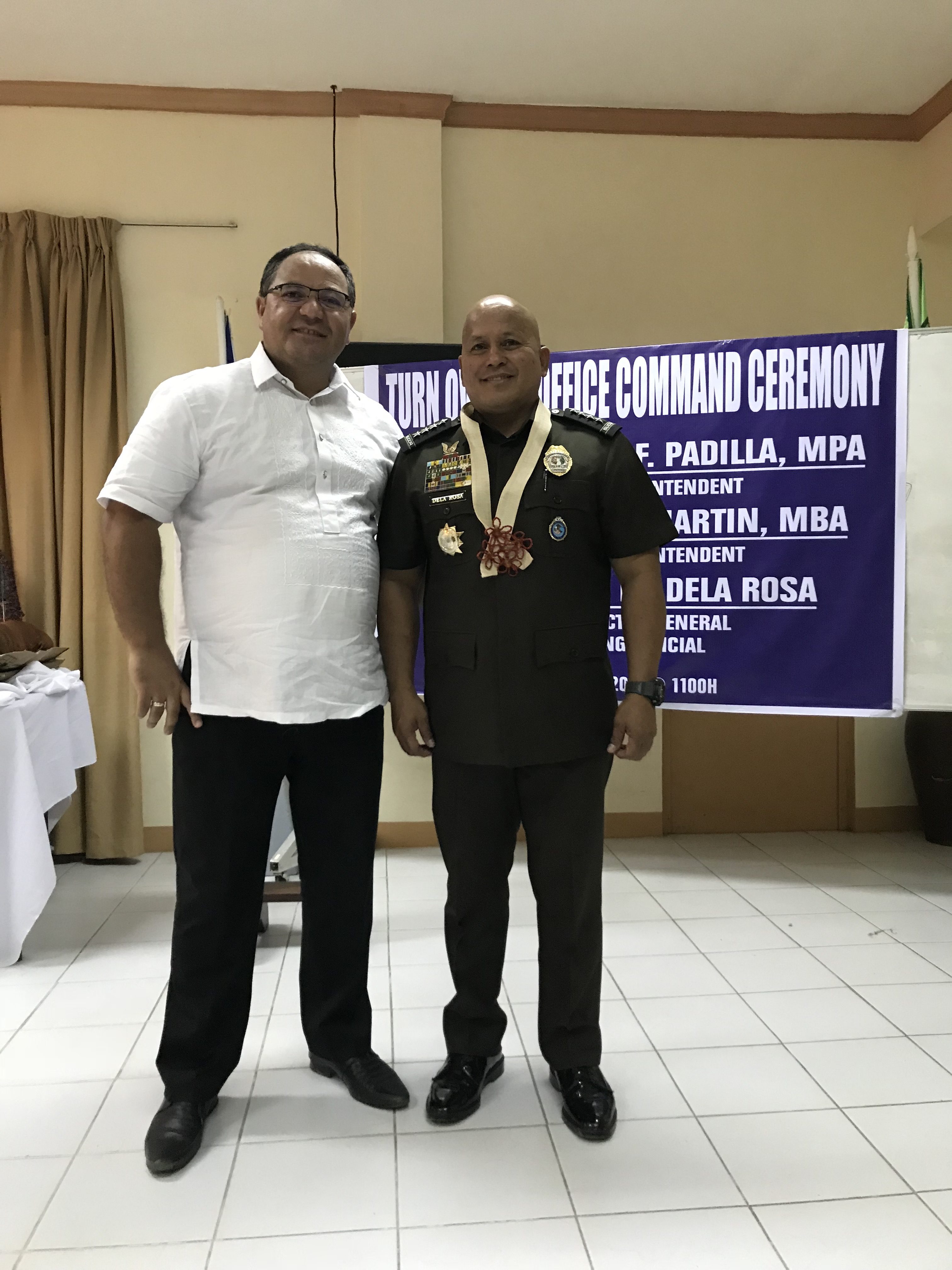
The Memorandum of Agreement for this College Education Behind Bars project was signed by Dr. Aland Mizell, President of Social Entrepreneurship of Technology and Business Institute (SETBI), and Attorney Susan Cariaga, Vice-President of SETBI; and Ronald Dela Rosa, Director General of the Bureau Corrections. Gerardo F. Padilla, MPA, Supperintendent Davao Prison and Penal Farm August 6, 2018, at the Davao Prison and Penal Farm.


Posted in His Articles | Comments Off on Officials break ground at site of new College Education Behind Bars’s Campus at the Davao Prison and Penal Farm, which is set for completion in 2019

The Spy Who Came Out from the Cold War

Recently The Guardian reported that the US had arrested a 29 year old Russian redhead for alleged espionage. Maria Butina follows a formidable list of beautiful femmes fatales who have lured away state secrets for their countries’ government. Whether through male or female operatives, the history of spying is long. From ancient history to the today’s use of drones and satellites to gather intel, knowing the opposition by spying seems to be a human behavior. Moses commissioned twelve spies, a leader from each tribe, to Canaan to spy out the land— to determine the strength of the enemies and the fortification of their cities. During the American Revolutionary War, the British Major John André conspired with the American General Benedict Arnold to sell a Continental Army fort, West Point and was hanged when caught. The World War I Dutch born exotic dancer, Mata Hari , served as a courtesan to the high ranking military and politicians in Paris gaining vital information for Germany before she was caught and shot by a firing squad. In the 1940s and 50s the KGB recruited Julius and Ethel Rosenberg, American Communists, to steal classified documents and designs. They also met an untimely demise in an electric chair in Sing Sing Prison. Seemingly, scandals and consequences accompany secrecy and duplicity. Continue reading

Posted in His Articles | Comments Off on The Spy Who Came Out from the Cold War

        NATO Divided

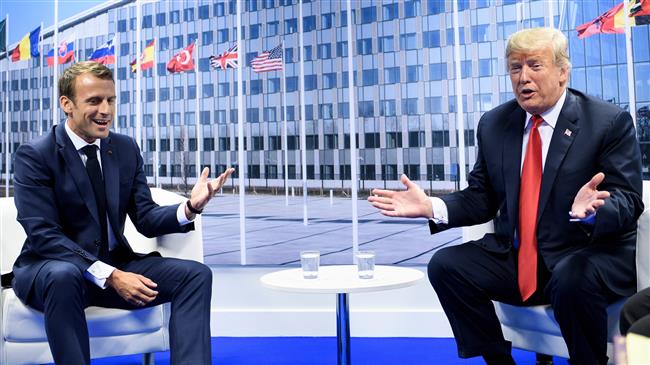
Annually, leaders of the twenty-nine North Atlantic Trade Organization (NATO) countries meet in one of the member nations to discuss critical issues and agenda items of the alliance, but summits are held for special changes. Although NATO is considered the most successful military alliance in modern history, this year the NATO summit met in Brussels under a cloud of pessimism because of the major disagreement among the member countries.  President Donald Trump’s criticism of NATO allies and his trade wars with the European economies raised concern over the future of the transatlantic alliance At last week’s NATO meeting, President Trump urged members to contribute more in terms of finances, troops, and capabilities, just as the alliance is on the verge of making strategy changes. In his customary blunt straight talk, the President accused the allies of treating the US like “a piggy bank” by not paying their fair share of NATO’s costs. President Trump said that if Europe is afraid of Russian expansion, international terrorism, and an uncontrolled influx of migrants from other countries, they should share the burden more proportionately.  Trump shocked  NATO members further by saying they should not wait until 2024 to reach the goal of spending 2% of their GDP on their defense, but they should pay equitably now. Continue reading

Posted in His Articles | Comments Off on         NATO Divided

Counterfeit Medicines and Prescription Painkillers Confound Narcotics Agencies and the Public

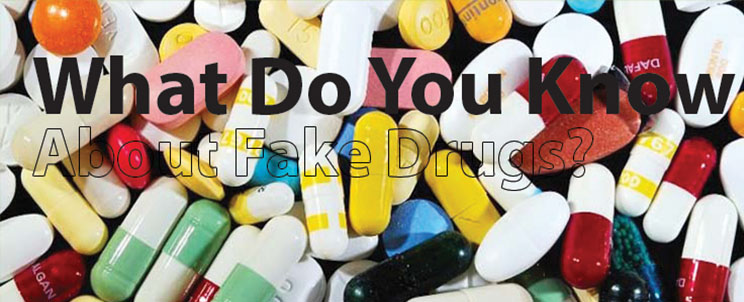
We hope that President Rodrigo Duterte will continue his war on counterfeit drugs. His policies may tackle the cultivation, distribution, and consequences of illicit drugs. For example, those fighting against counterfeit medicines complain that those prosecuted for this offense receive a  comparatively light sentence compared to the sentences given to criminals peddling narcotics. Yet, counterfeit drugs are very dangerous because they threaten national security by endangering the health of a vast majority of the people. Fraudulent operations, nevertheless, continue to operate and flourish in countries with weak drug regulatory bodies because of the dual accountability problem of poor funding and staffing and weak or corrupt customer services and policy agencies. According to the World Health Organization (WHO), the counterfeit drugs business accounts for about 10% of the annual $300 billion global drug industry. This figure includes such pharmaceuticals  as fake birth control pills, cough syrup for children laced with a powerful opioid, and malarial pills composed of just potato and cornstarch. The WHO lists these as examples of poor quality, falsified medicines identified in recent years, all of which ignore the possible consequences for the public— health risks for and potential death of the users.  Furthermore, some drugs that are not classified as illegal or dangerous may become so if purchased from an online site that proves not to be legitimate or even a trusted pharmacy that unknowingly receives a shipment of untested and illegitimate drugs. Because this counterfeit trade is so lucrative, the growing supply has caused great damage around the world. Continue reading

Posted in His Articles | Comments Off on Counterfeit Medicines and Prescription Painkillers Confound Narcotics Agencies and the Public