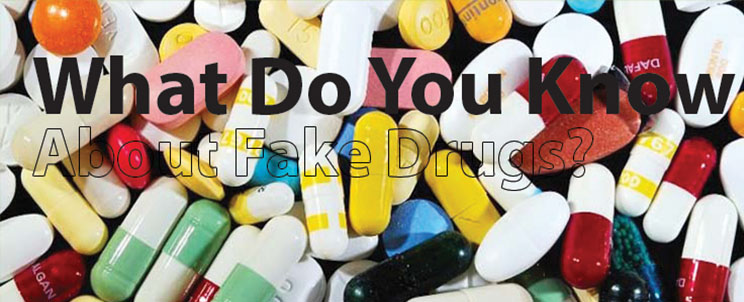
 We hope that President Rodrigo Duterte will continue his war on counterfeit drugs. His policies may tackle the cultivation, distribution, and consequences of illicit drugs. For example, those fighting against counterfeit medicines complain that those prosecuted for this offense receive a comparatively light sentence compared to the sentences given to criminals peddling narcotics. Yet, counterfeit drugs are very dangerous because they threaten national security by endangering the health of a vast majority of the people. Fraudulent operations, nevertheless, continue to operate and flourish in countries with weak drug regulatory bodies because of the dual accountability problem of poor funding and staffing and weak or corrupt customer services and policy agencies. According to the World Health Organization (WHO), the counterfeit drugs business accounts for about 10% of the annual $300 billion global drug industry. This figure includes such pharmaceuticals as fake birth control pills, cough syrup for children laced with a powerful opioid, and malarial pills composed of just potato and cornstarch. The WHO lists these as examples of poor quality, falsified medicines identified in recent years, all of which ignore the possible consequences for the public— health risks for and potential death of the users. Furthermore, some drugs that are not classified as illegal or dangerous may become so if purchased from an online site that proves not to be legitimate or even a trusted pharmacy that unknowingly receives a shipment of untested and illegitimate drugs. Because this counterfeit trade is so lucrative, the growing supply has caused great damage around the world. Continue reading
Meet the Author
Dr. Aland Mizell is with the University of Mindanao School of Social Science, President of the MCI and a regular contributor to The Kurdistan Tribune, Kurdishaspect.com, Mindanao Times and Kurdish Media.You may email the author at:aland_mizell2@hotmail.com.Categories