
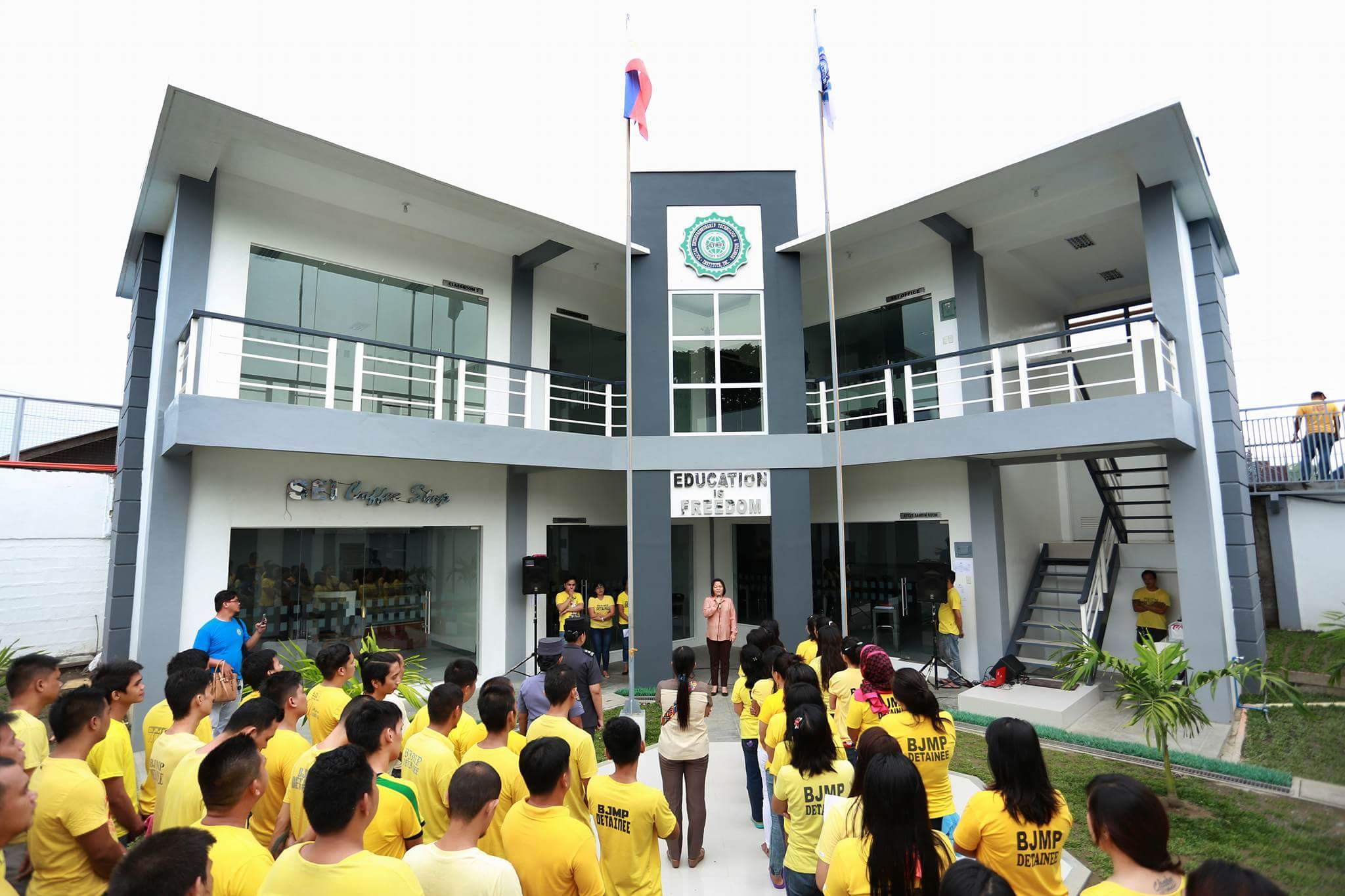
 In recent years many homegrown terrorists have launched attacks in European cities like Paris, Barcelona, Brussels, London, for example, the 2015 January assaults at the satirical magazine Charlie Hebdo and at a kosher supermarket. Several of the terrorists who killed more than 160 people that year had common criminal backgrounds but had become radicalized in congested prisons. Most Philippine prisons are overcrowded too having been built in ad hoc style buildings and now contain overcrowded cells. When inmates who represent a certain ideology are housed in the heart of a prison, surrounded by more than 3,000 inmates, there is a huge risk that they will contaminate the thinking of others.Prison is not a nice place; inmates can only survive if they are a part of a certain group or ideology. It is easier to be recruited inside a jail than outside one because conditions in the interior favor radical recruitment of newcomers. Since most of the inmates are desperate and hopeless, radicals with an ideology can easily befriend new detainees and give them what they need. It is easy for radicals to convince inmates that society has rejected them, that it is their destiny, and that God or a charismatic leader has a mission for them, little by little brainwashing them, especially if inmates belong to certain minority groups such as Muslims or IPs. By persuading the detainees that society has scorned them, that they cannot get a job, particularly because of their religious background or ethnicity, that no good school in their neighborhood will accept them, the indoctrinator opens the inmates up to his or her ideology. Continue reading










Become a Member today!