
 The Kurds are a large and distinct ethnic minority in the Middle East, numbering some more than 30-40 million people and living in an area called Kurdistan. More than 20 million Kurds live in Turkey. Kurds themselves are Muslims, yet Muslim countries, like Syria, Iraq, Iran, and Turkey are oppressing them. Muslims have failed to bring justice to the Kurds. Also, more than 35 million people live without a country. The Turkish government and society in general, including quasi-religious groups, have failed the Kurdish people. Turkey ‘s failure of a possible military solution to the Kurdish problem and its current bombings will not bring a solution to the problem either. Every time soldiers, police, or Kurdish Workers Party (PKK) fighters die, it results from the conflict between the PKK and the Turkish government, increasing the hate between the Kurds and the Turks and making peace even harder to accomplish.
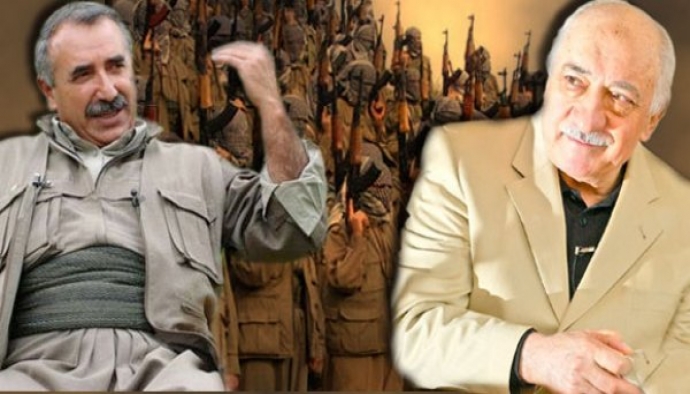
For decades Turkey’s official policy was and is now that there are no Kurds but only mountain Turks; therefore, there is no Kurdish problem. For them, they see only a terrorist problem and look at the Kurdish issue as a security one rather than a conflict about equality and justice But in reality the more than 20 million Kurds living in Turkey do not have any national rights, autonomy, or even primary schools where they can be educated in the Kurdish language. The Turkish government, including the Gulenist cultic religious group, denies everything that is related to the Kurdish existence. But now, because of resistance from the Kurdish parties, the Turkish government can no longer repudiate the reality of the Kurdish people. The problem still remains because that Turkish government and the Gulen Islamic religious cult still do not want to recognize the Kurds and continue to deny them their autonomy, which the Kurds believe is their right.
The biggest obstacle for Kurds to have their autonomy is not President Erdogan, but rather it is the Gulen Islamic cultic religion because it is very dangerous to the Kurdish struggle since the authoritative, charismatic Imam Gulen is the one educating the Kurdish children according to his unique view of history, culture, and religion. The Turkish state and the Gulenists claim that they could resolve the Kurdish issue by giving them a few cultural rights such as the freedom to speak Kurdish, to listen to Kurdish music, or to watch Kurdish TV, whereas the Kurds demand the right to self rule and wider political rights and liberties including recognition of the Kurdish language as an official language, mention of the Kurdish people in the new constitution, and release of the political prisoners.
It is not easy to make peace in general, mainly because so many interests are involved and because before peace can be accomplished, those interests must be solved. Regarding the Kurdish issue, the Turkish government did not have any clear strategy for the Kurdish peace process. Turkey ‘s settlement plan was never presented. Because no third parties were involved as mediators to make sure both the Turkish government and the PKK obeyed their commitment to peace, it was on shaky grounds from the beginning. The plan involved only the Turkish government dealing with the imprisoned Kurdish leader Ocalan to solve the problem.
The Turkish government is not the only responsible side for the peace failures; the PKK and the Peace and Democracy Party (BDP) share responsibility. The PKK in one way or another is involved in Turkey’s political life. The BDP won momentum in Turkish politics, but let the PKK carry out terrorist attacks. In addition, the PKK and the BDP also wrestle in a power struggle. The reason the Turkish government is going to have reelections in November is because none of the parties won the majority vote to lead the country. Most of the AKP party voters in the previous elections voted for Kurdish BDP party, so the BDP caused the AKP to lose the elections, and this was a huge success for the Kurds and the Kurdish party. Some will argue that the AKP will try to gain their lost vote by provoking the PKK to start a war thereby giving the BDP a tough decision about who to side with, because if this condition occurs, the Turkish people will not vote for the BDP. If that dynamic would be the outcome, then the PKK and the BDP should not be used as tools.
The Turkish state and the Gulen cultic religious group have never been honest with the Kurds. For a long time Turkey has opposed independence for a Kurdish state in Northern Iraq and wanted a unified government in Baghdad, that is until former Prime Minister Al Maliki, who belonged to the Shite group, concentrated power with Shia allies and formed closer relations with Iran ‘s government; then the Turkish government developed good relations with the Kurdish Regional Government (KRG) and made oil deals with the KRG to sell the Kurdish oil via Turkey in spite of the Iraqi government’s objections.
The same shift happened with the Gulen cult as well; for a long time Gulen was against the BDP party and Kurdish movement and ordered the Turkish government to kill or destroy all the PKK fighters including their homes, but once he and Erdogan got in a power fight, he began using the PKK to create chaos in Turkey, so that Erdogan cannot successfully dismantle his cultic empire.
The minority card is always a dangerous one to use when it comes to the Middle East region. That is why most of the time the major players use the minority as a political tool. Throughout the history of the Kurdish issue, the Kurds have been used by and against the major regional and international power players, and none of the power players care about Kurdish interests. Turkey, Iran, Syria, Iraq, and almost all the countries in the region that suffer from minority issues should seek to find democratic solutions through democratic processes to give the minorities their basic rights. Otherwise, this use of the minority card might lead to a civil war.
Turkey has failed to win the hearts and minds of all the Kurds in the region, especially Kurds in Syria because the Kurds in Syria have been living under the brutal Assad regimes for decades without citizenship until the Arab Spring began; then Assad realized the danger of the minority card and granted more than one million Kurds their citizenship. So now Kurds are in their land living as foreigners, but the Kurds want to live freely with dignity like everybody else. It is not the duty of the Turkish government or the power seeking religious leader to tell the Kurds how they should live, what history they should believe, or what identity they should have. The Kurds in Syria want to rule themselves, but the Turkish government objects, so when it comes to the Kurdish issue, Turkey practices, at best, selective democracy.
What happened to the peace process between Turkey and the PKK? In spite of the People’s Democratic Kurdish Party (HDP) rising under Selahattin Demirtas by gaining great success with its 14% of the vote and becoming the third most successful Kurdish party in the history of Turkish politics, the PKK mysteriously choose violence again. Why? There is still no answer, but the PKK is the only one who knows. I think the PKK feared that if the peace process succeeded, then they might lose their legitimacy over the Kurdish issues, they would not get any credit for achieving peace, and, instead, many people would give credit to President Erdogan for achieving the peace process; therefore, they wanted to pull him into a violent confrontation. The other factor is the Gulen cultic religion factor. Gulen is using the PKK card to create chaos in Turkey, so that his group can blame everything on Erdogan, hoping that Erdogan will leave office or be prosecuted. Gulen is highly motivated because if Erdogan wins this election, that means the end of Gulen’s meteoric history, but if Gulen wins the election, then it will be the end of Erdogan. I would not be surprised if Gulen’s cult uses violence against Erdogan to stop him.
Dr. Aland Mizell is President of the MCI and a regular contributor to Mindanao Times. You may email the author at:aland_mizell2@hotmail.com